
February 2026 Tips and Tricks
February is a good time to step back into the garden and support the systems that keep it healthy year-round. Many tasks this month are about working with existing ecology—protecting soil life, supporting beneficial insects, and setting plants up for strong growth.
Observe before intervening. Take note of where bulbs, perennials, and native plants are beginning to show signs of life so you can avoid unnecessary disturbances.
Hand-weed selectively. Removing weeds while they are small reduces competition while reducing soil disturbance. Work in sections and leave undisturbed areas whenever possible to allow overwintering insects to remain undisturbed.
Transplant trees and shrubs as needed. This is still a good window for moving woody plants with minimal stress as long as the ground is not frozen.
Plant fruit trees and deciduous shrubs, bare-root or container-grown. Consider species that provide nectar, pollen, berries, or cover for wildlife.
Plant hardy perennials and perennial herbs such as Allium (chives), Levisticum (lovage), Rosmarinus (rosemary), Salvia (sage), and Thymus (thyme). Be mindful of spreading species like Mentha (mint) and Origanum (oregano), and plant them where they can be contained.
Prune fruit trees and train grapes thoughtfully. Retain some structure and avoid over-pruning or removing future fruiting wood.
Prune roses and plant new ones if needed. Choose disease-resistant varieties and avoid planting too deeply. February is a great time to prune roses in the PNW. This is when they are most dormant. For upright roses (not climbing), prune out the oldest canes, as these will begin to produce fewer flowers over time. Prune to a vase shape and keep the center open for good airflow. When possible, prune to outward-facing buds. Remove diseased wood and make sure you know whether your rose is grafted. Knowing if it is grafted can influence your pruning techniques.
For indoor decoration, prune branches of Chaenomeles (quince), Forsythia, or flowering Prunus and bring indoors for early blooms—leaving the majority of plants intact outdoors for pollinators.
Prune summer-flowering shrubs such as Buddleja, Cotoneaster, Clematis, and Hydrangea. For Clematis, watch for new growth to begin emerging, and it is best to prune Hydrangea after threats of heavy frost.
Do not prune spring-flowering shrubs like Rhododendron and Azalea, which are already set with buds.
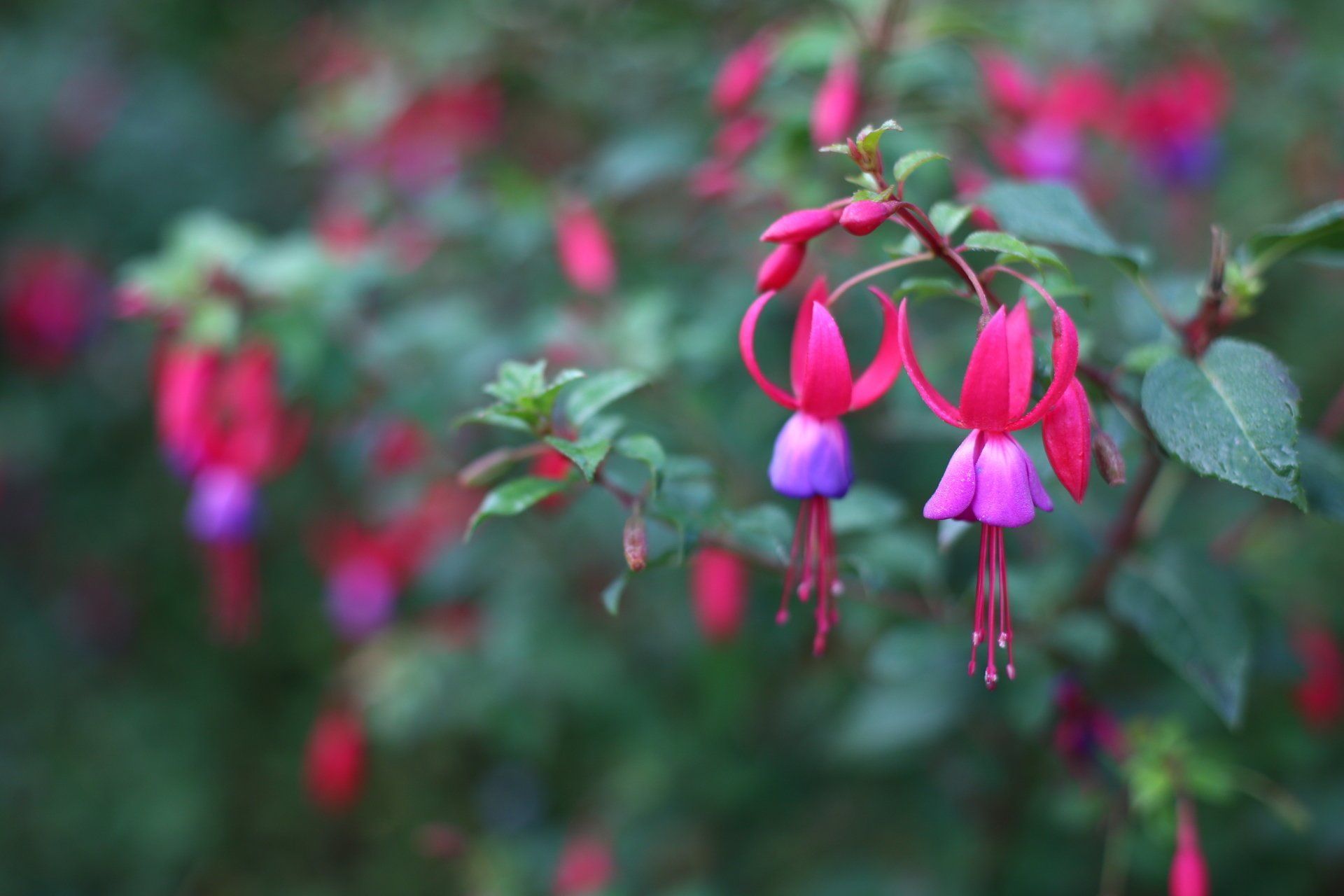
Wait to cut back tender perennials such as Fuchsia, Agastache, and Salvia until new growth is clearly visible.
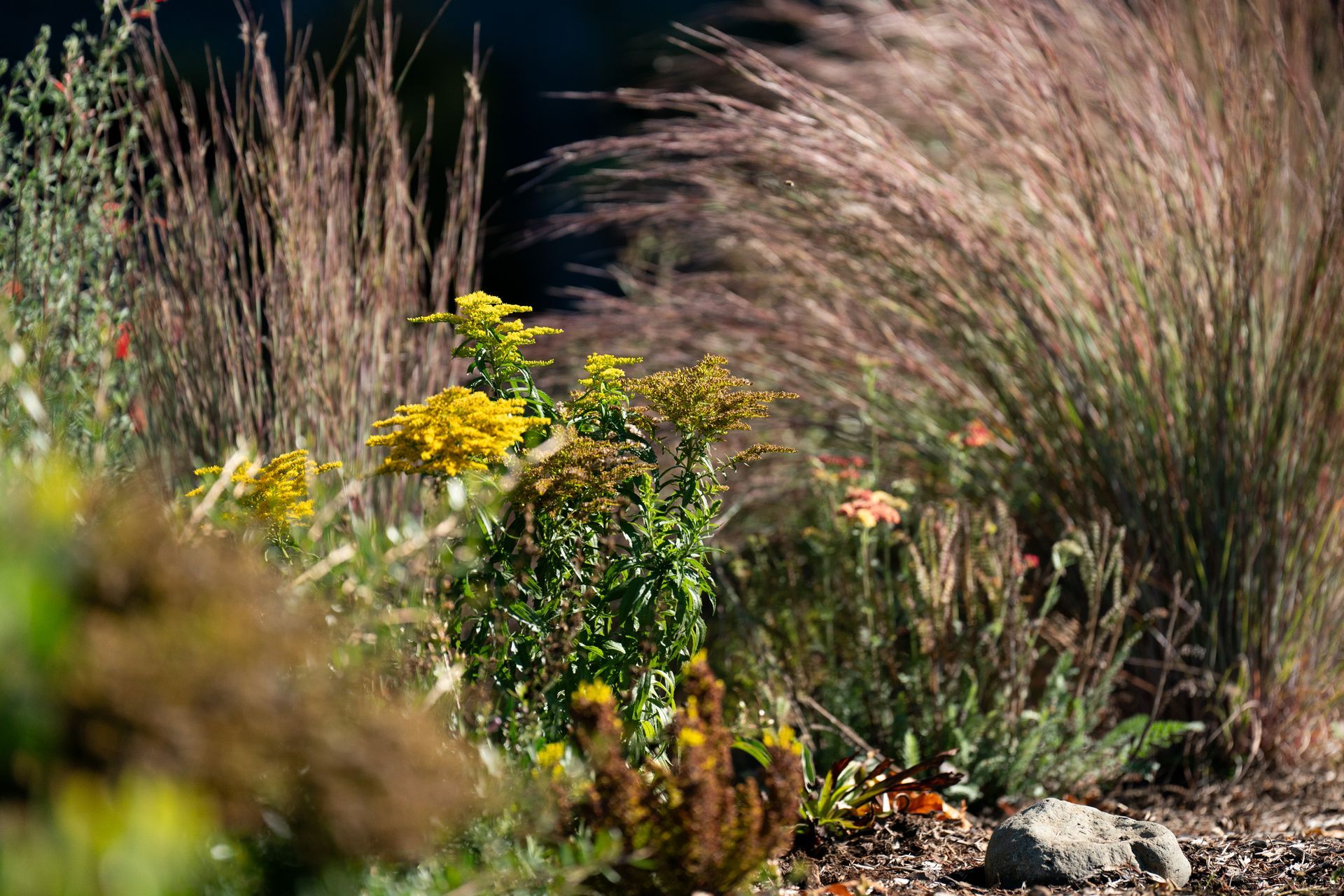
Leave fallen leaves and stems in place where appropriate. These materials protect soil, feed microorganisms, and provide critical overwintering habitat.
Refresh mulch where needed, about two-three inches deep. Compost mulch is ideal for feeding soil life, while bark mulch can help suppress weeds and reduce erosion. Avoid piling mulch against plant crowns or tree trunks.