

A Trip to Vallarta Botanical Garden-Puerto Vallarta, Mexico PT 2
Dale Hickey • August 2, 2024
It’s been a few months since I posted part 1 of my visit to Puerto Vallarta Botanical Gardens, and I've received messages asking when part 2 would be posted, so here you go! If you missed part 1, you can catch it [here].
After leaving the beautiful cactus house, we headed to the lower portion of the property, where you can access the river and take a refreshing dip.
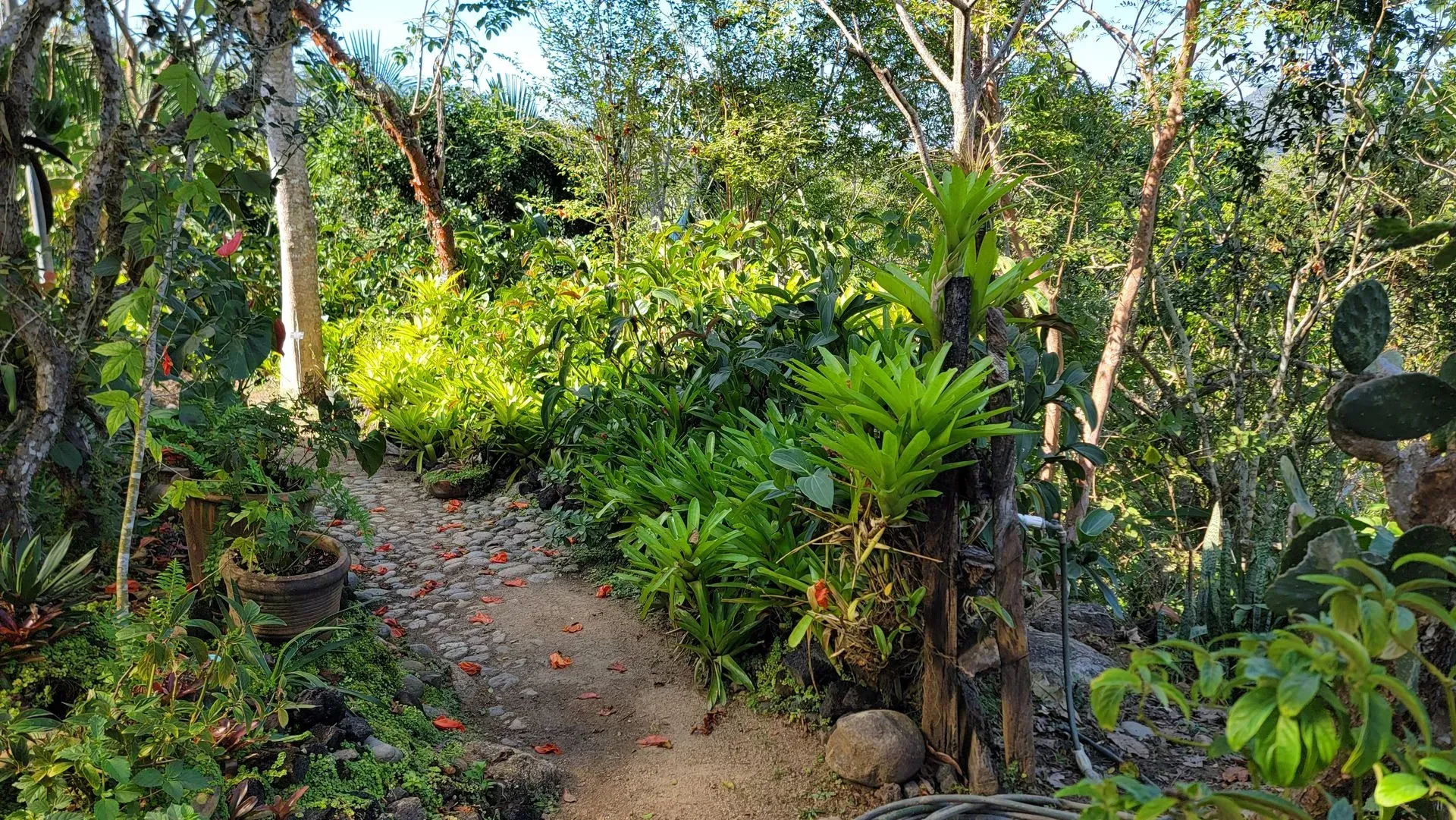
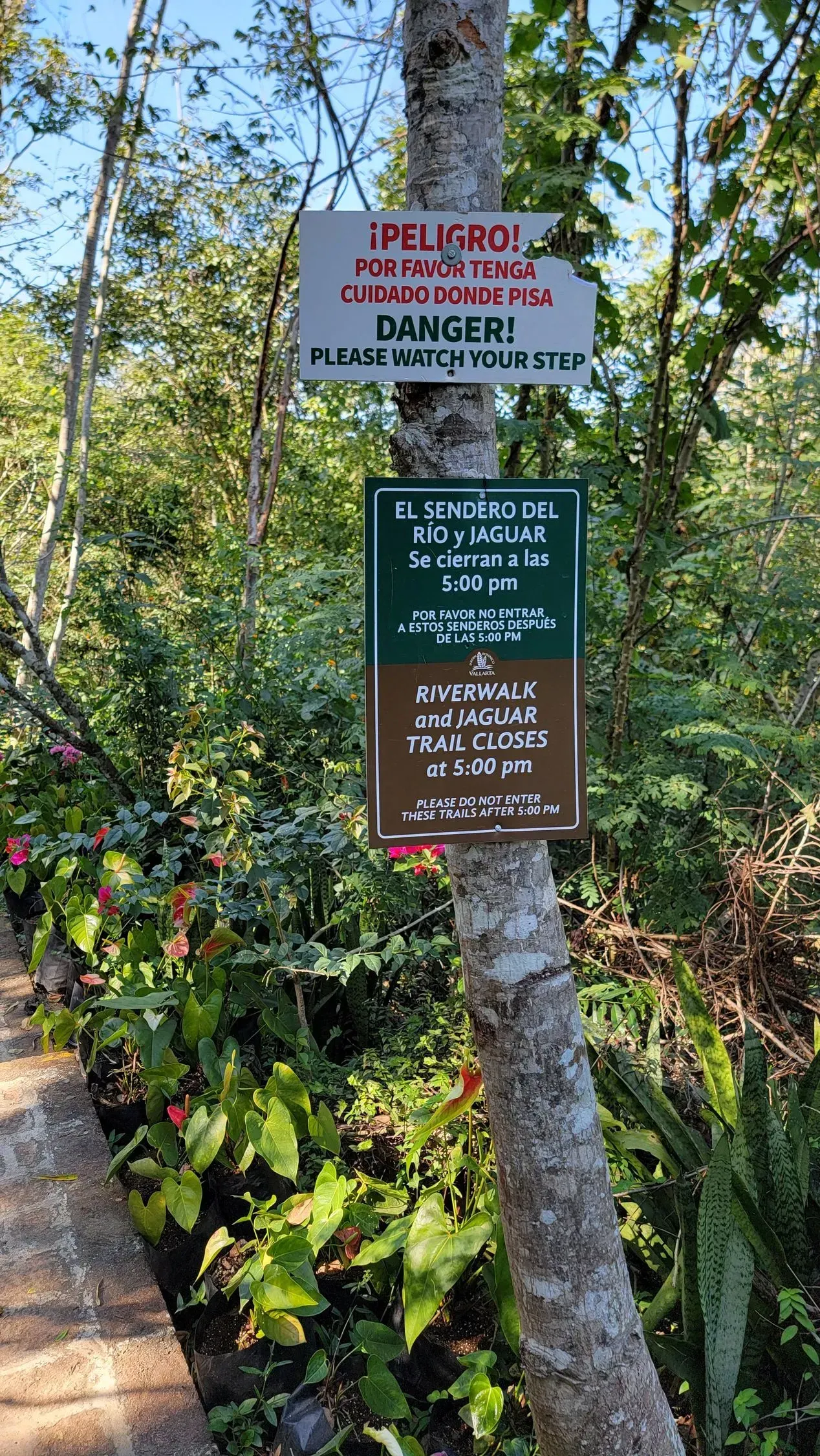
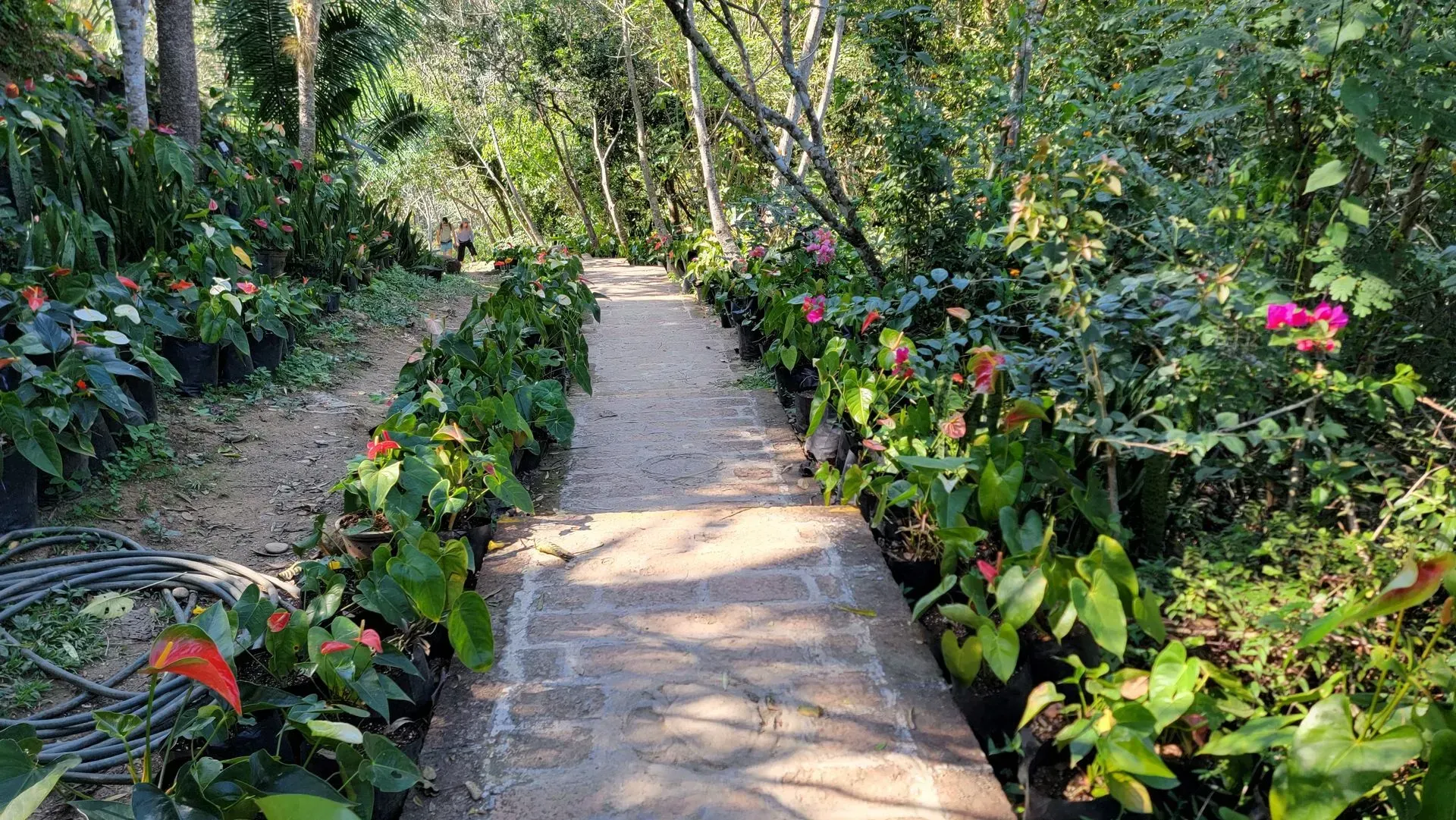
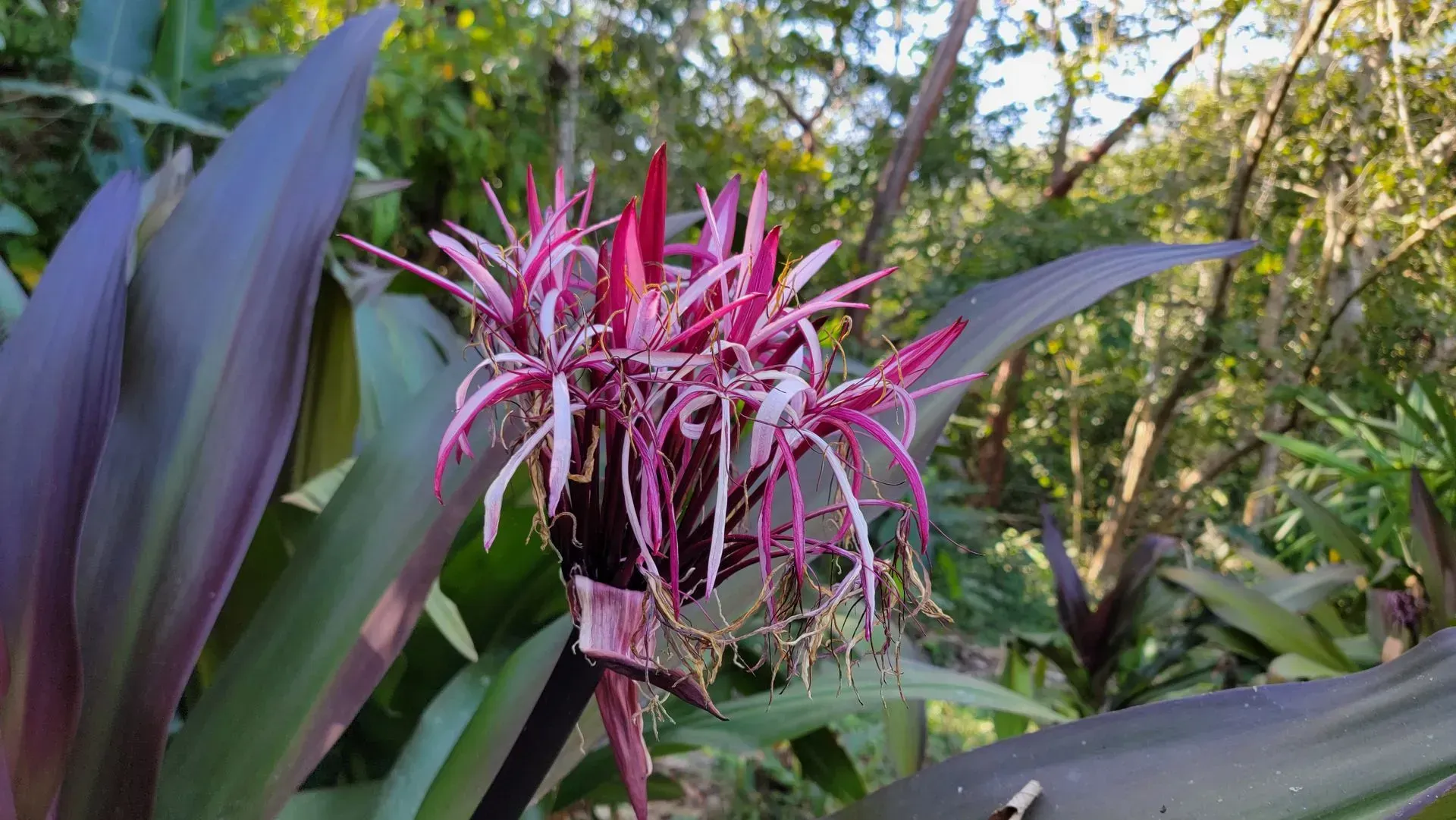
The path is lined with a nice display of plants. I didn’t photograph the area this trip, but I enjoyed this view looking back.
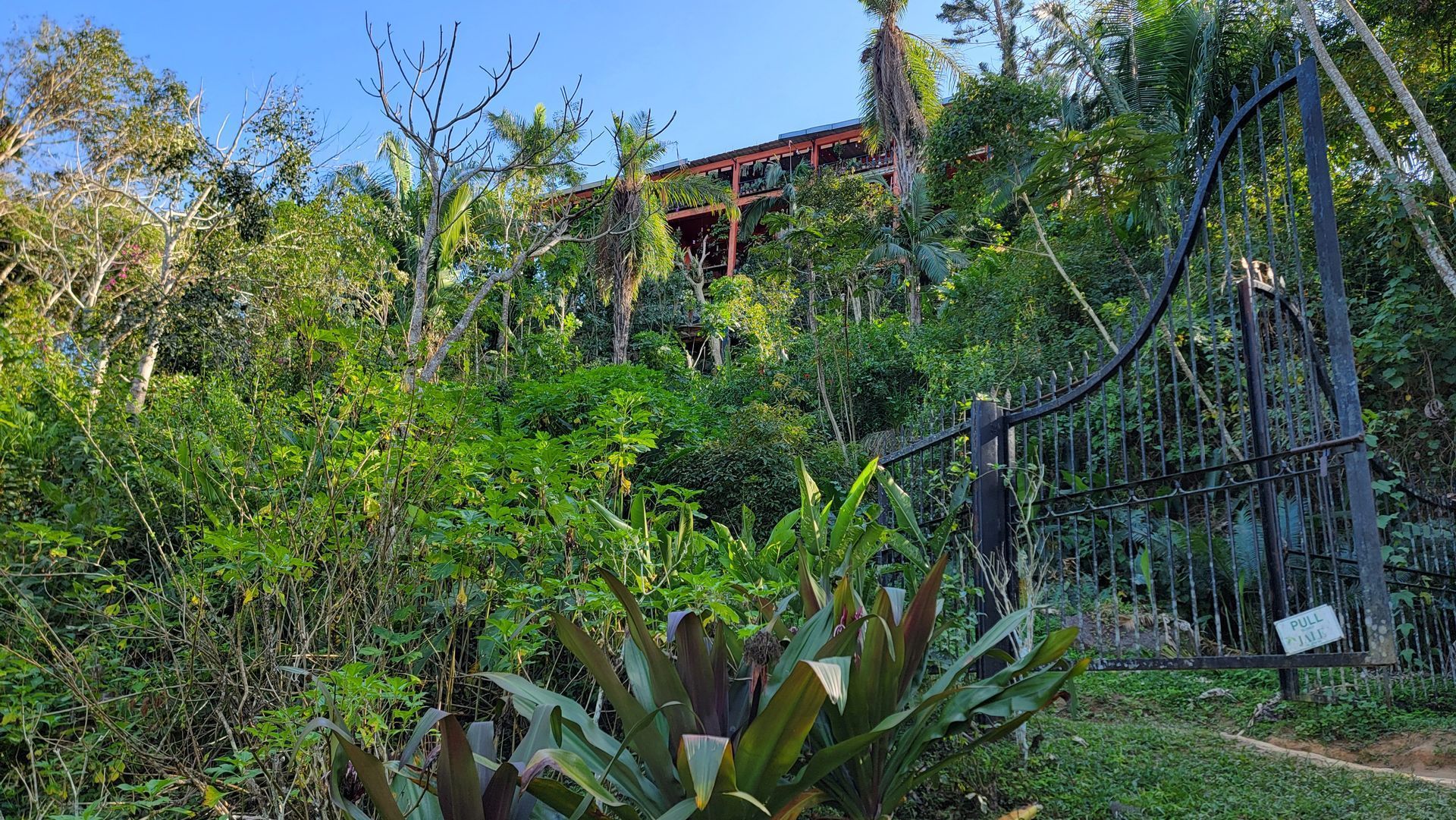
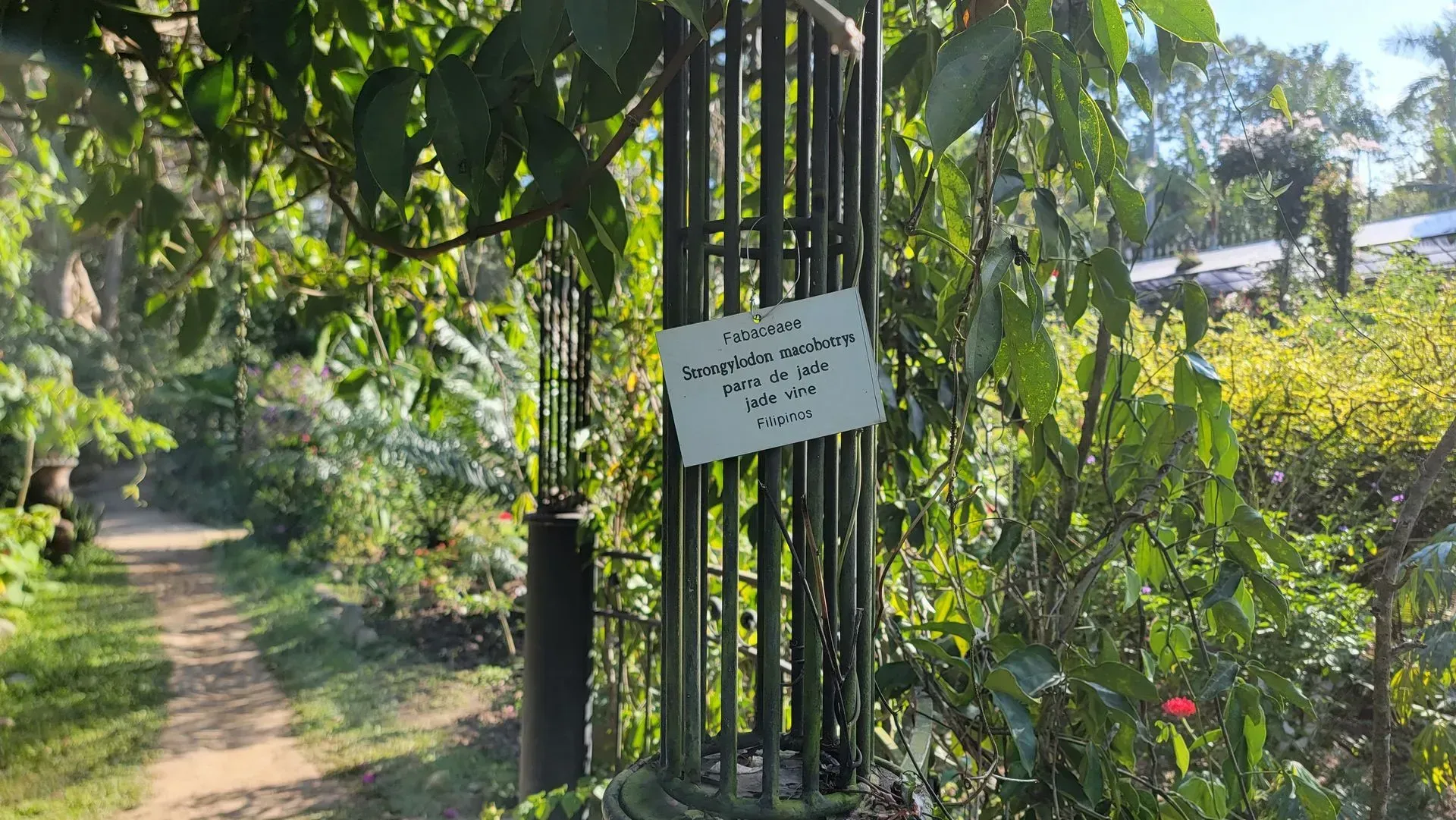
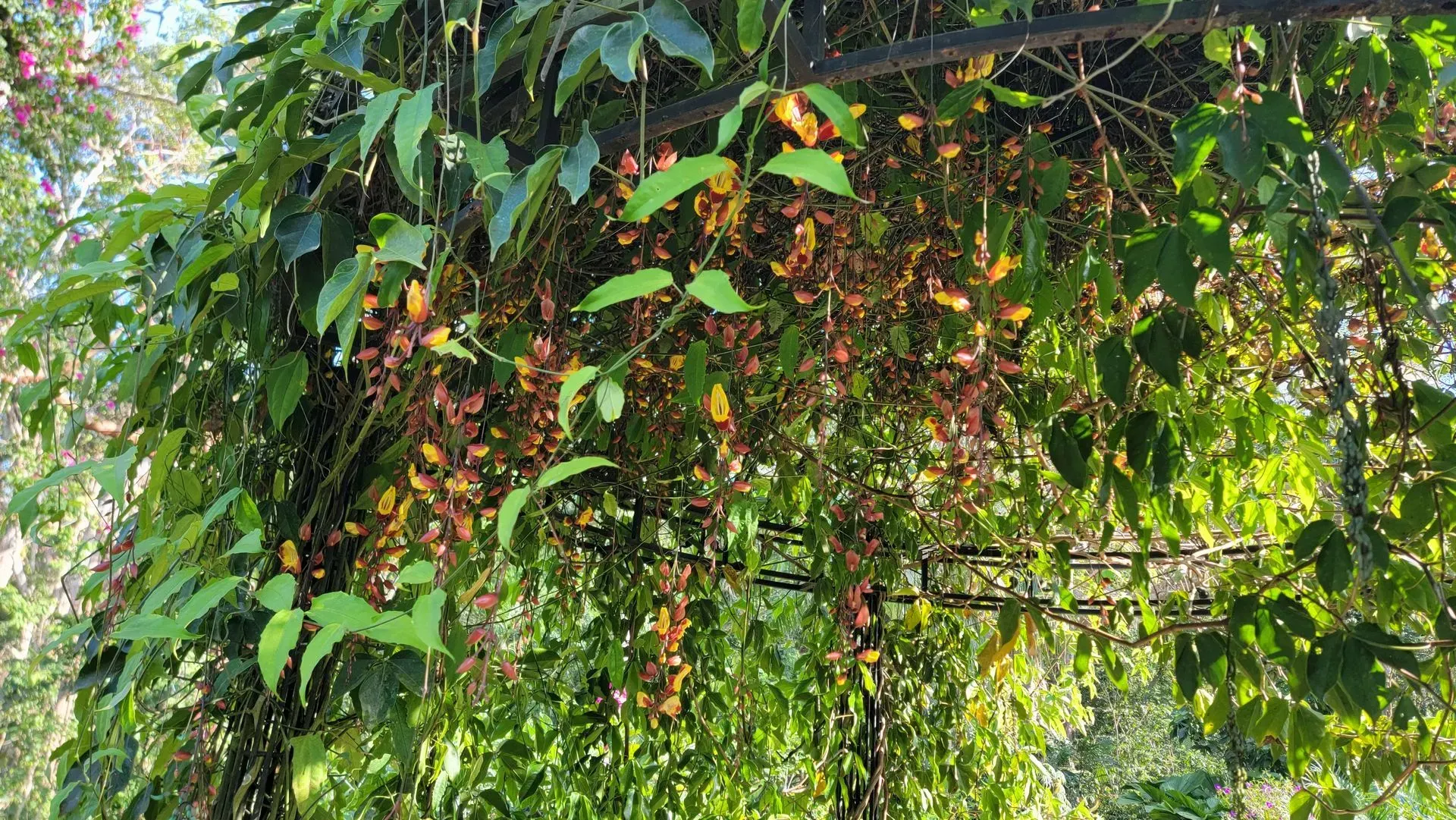
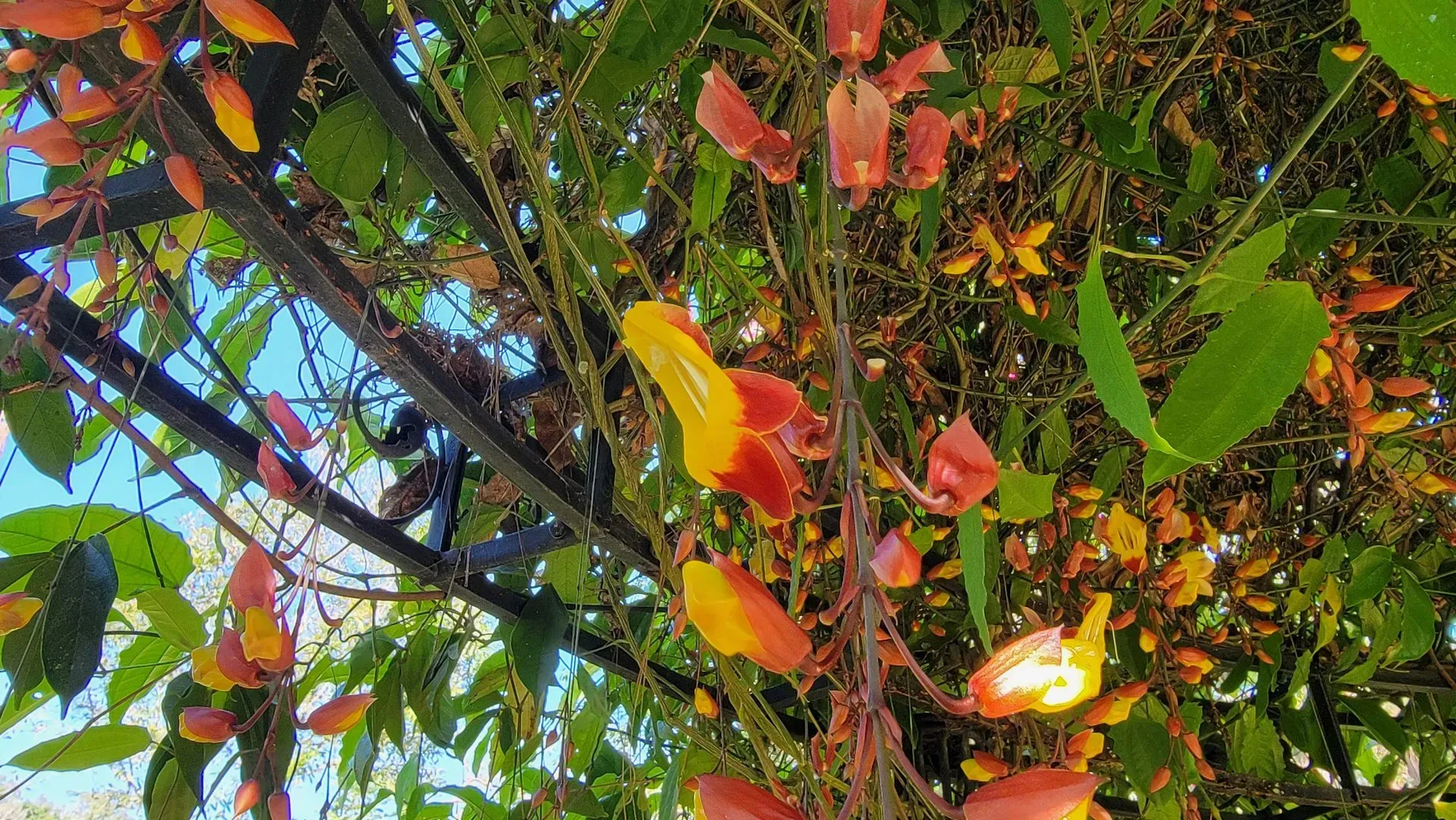
We took another path back to the entrance and came across a beautiful metal arbor covered with a vigorous jade vine (Strongylodon macrobotrys).
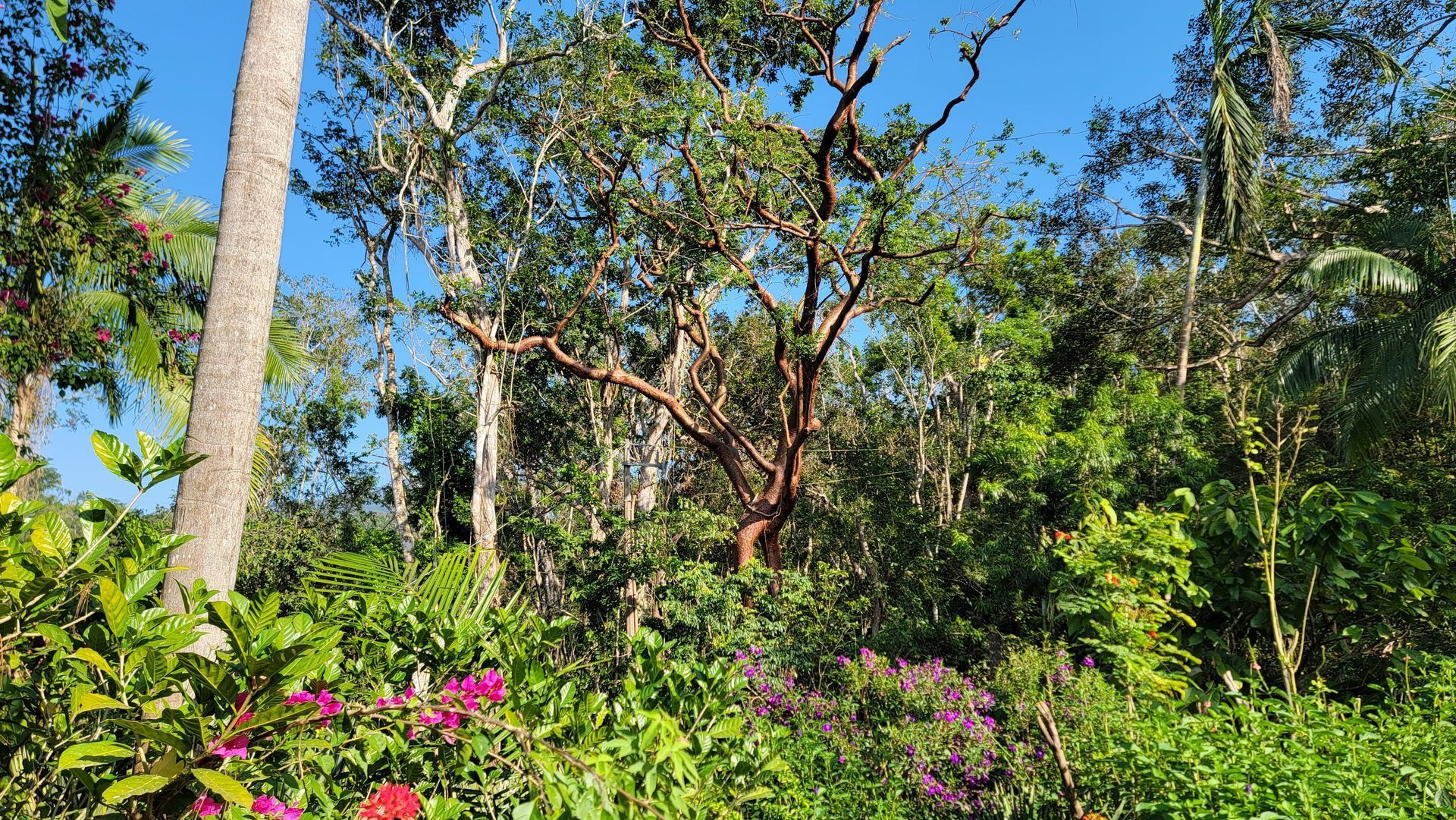
Big trees with stunning bark can be seen in the distance. I'm not sure of the ID, but they are quite remarkable.
As we navigated the plant-lined path, I could only dream of growing these plants in my own garden.
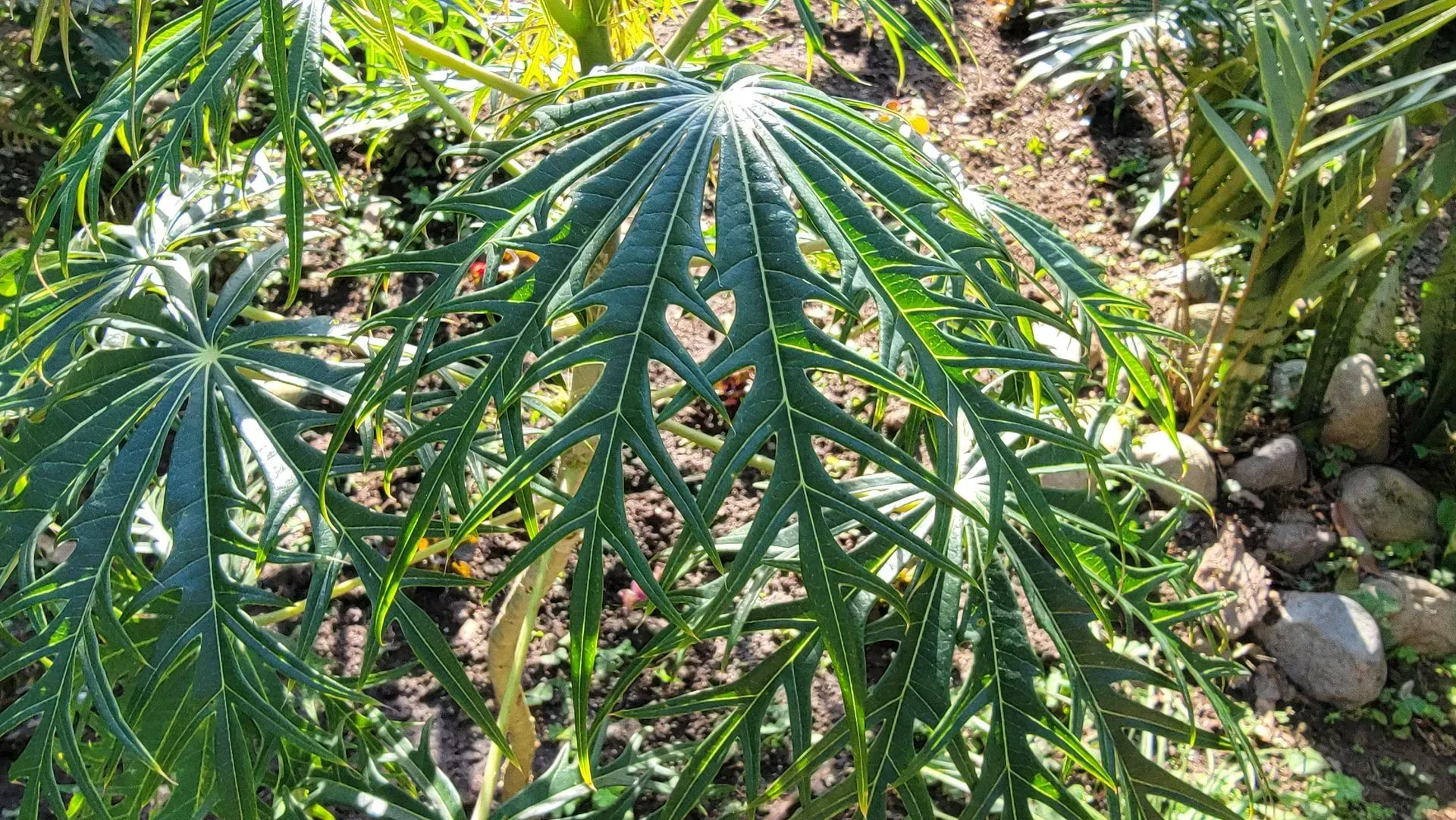
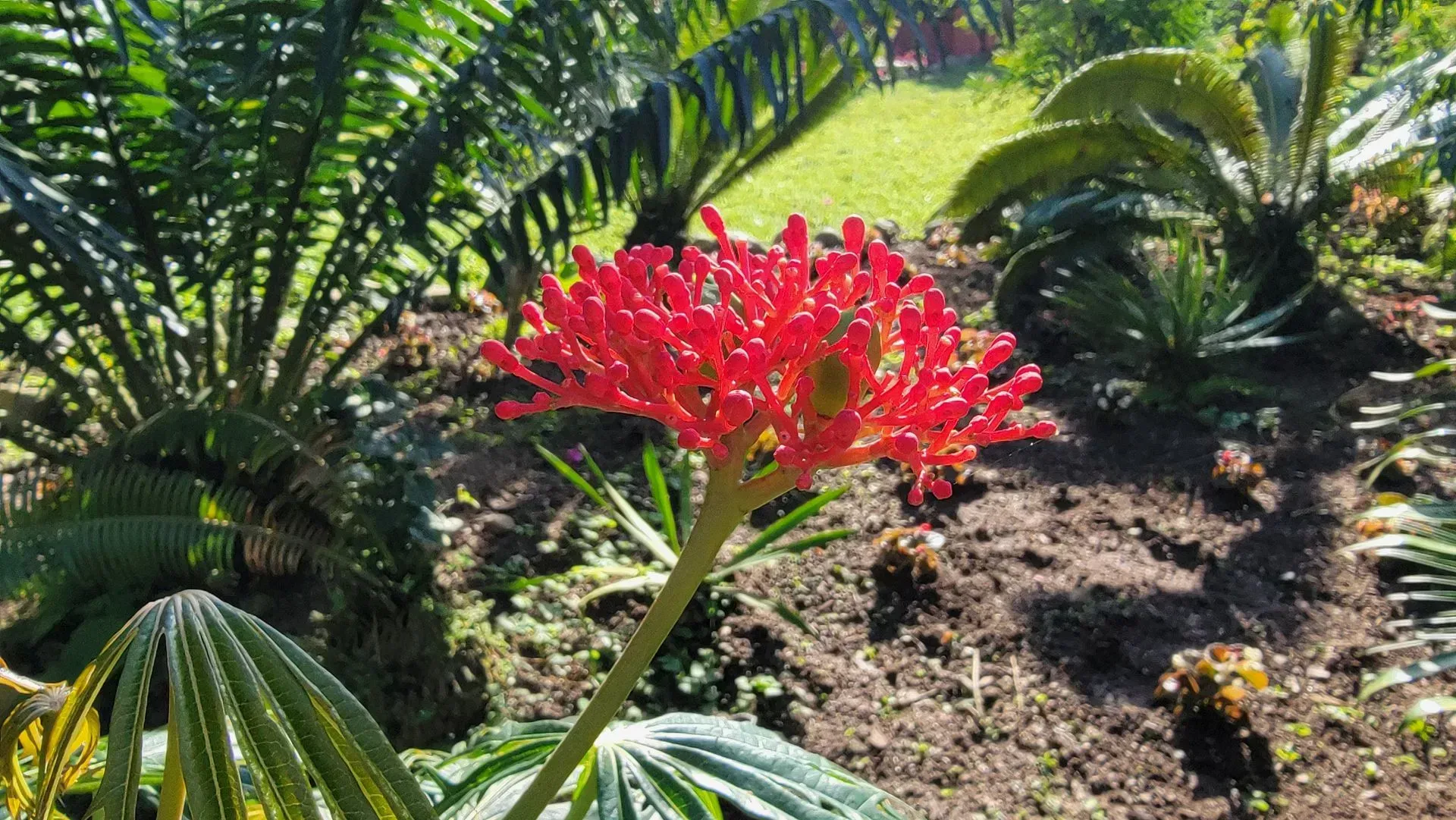
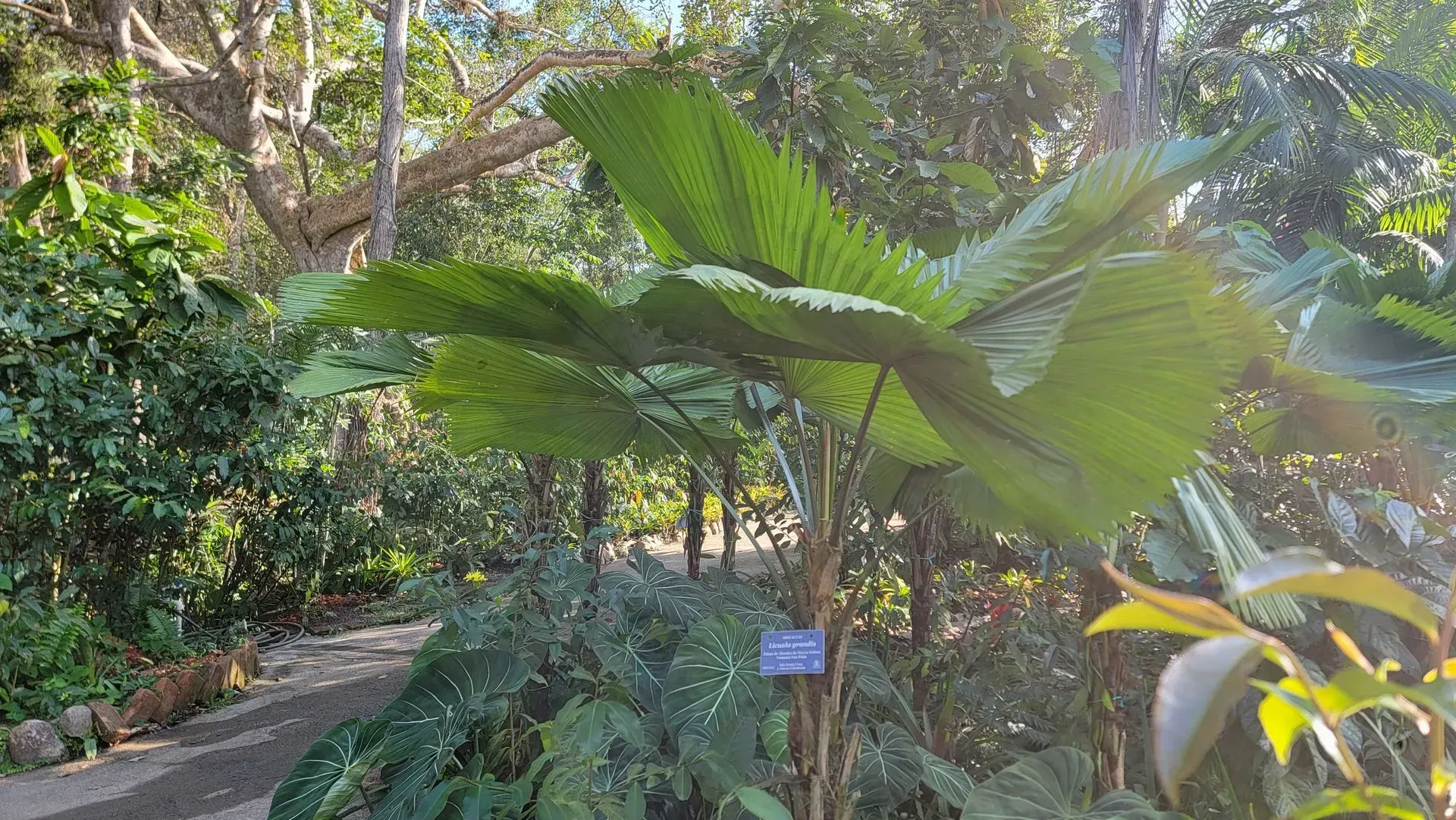
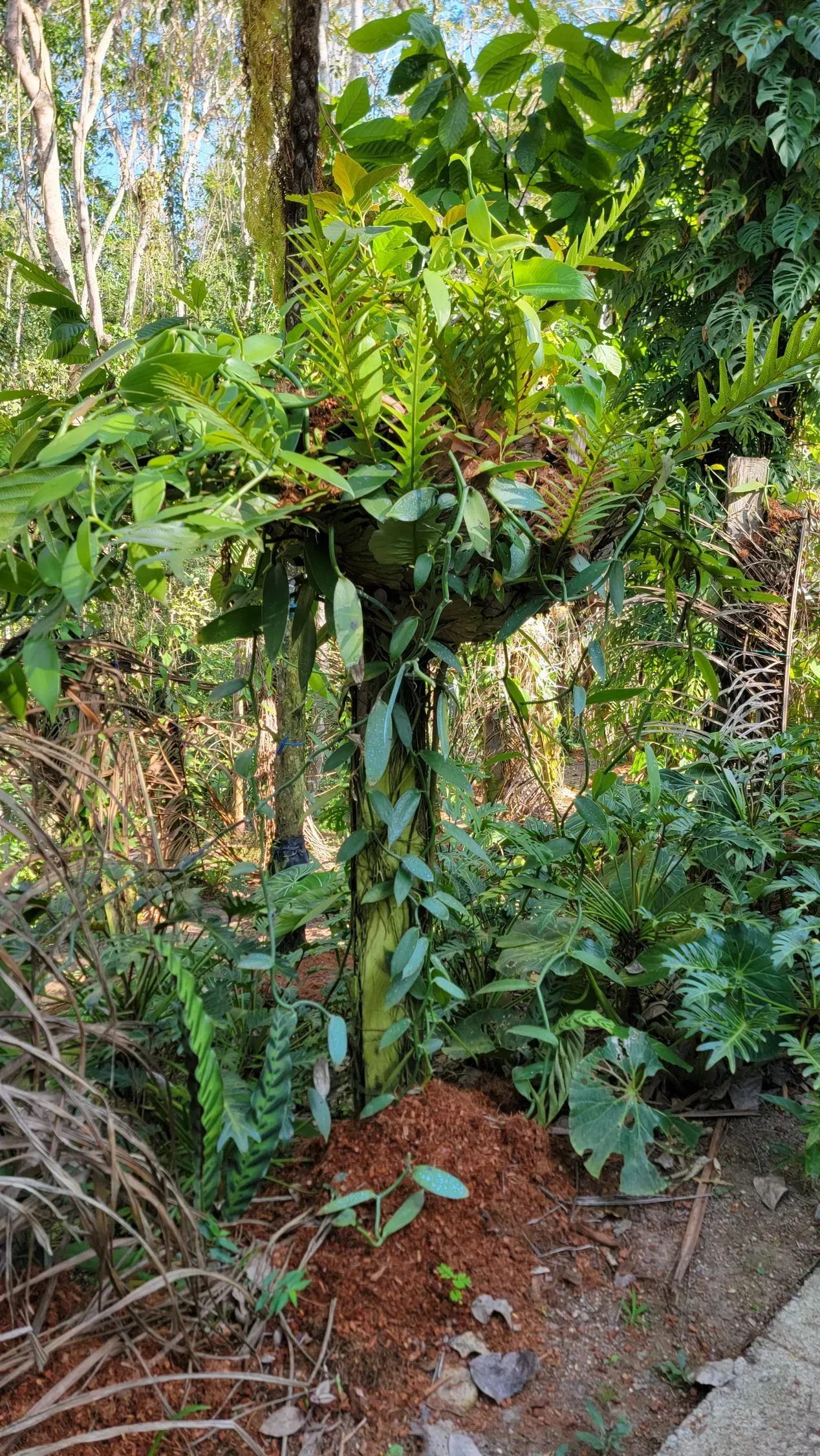
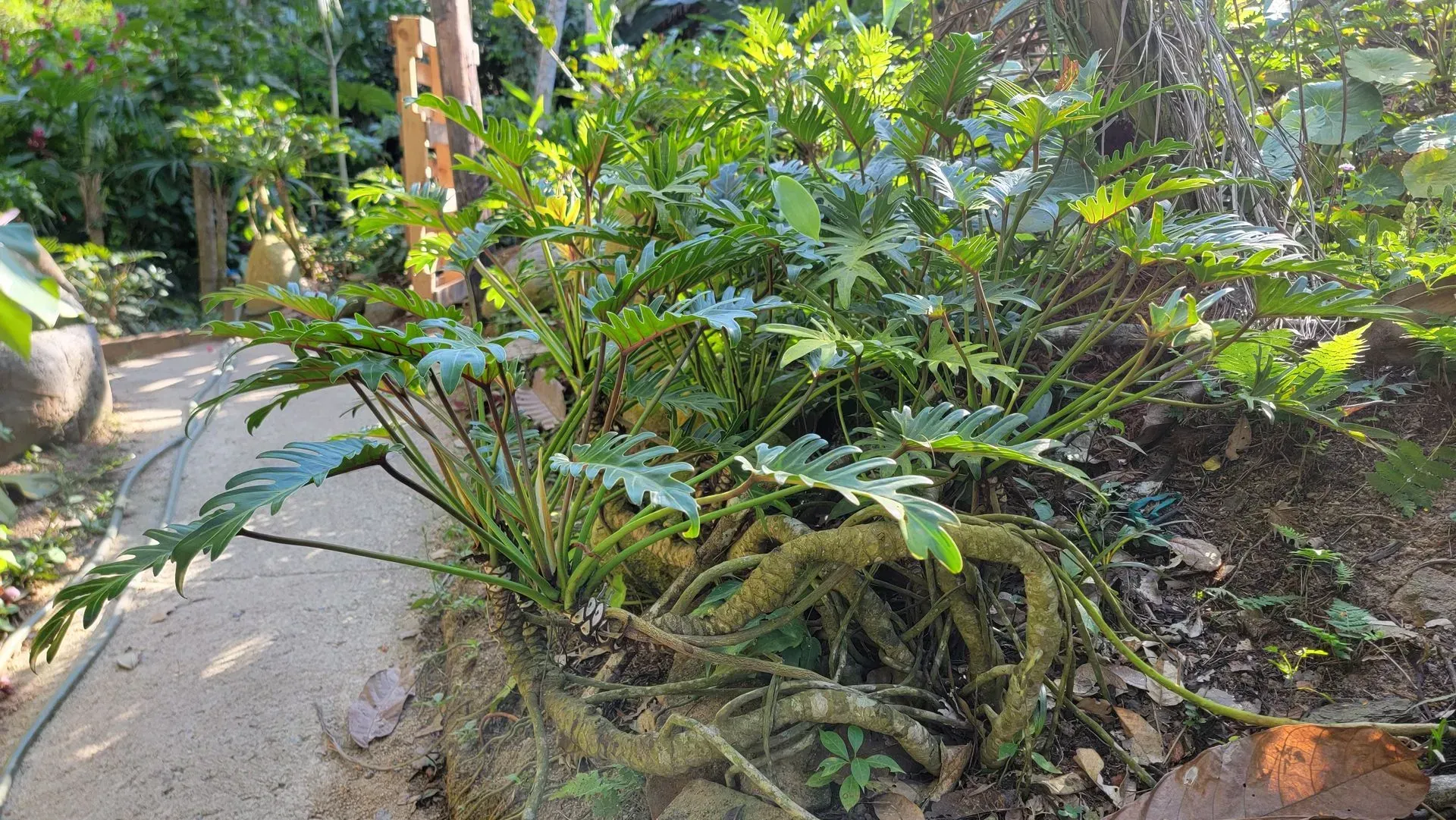
View more
We made our way back to the entrance and crossed to the other side of the main road, where pottery and plants were for sale.
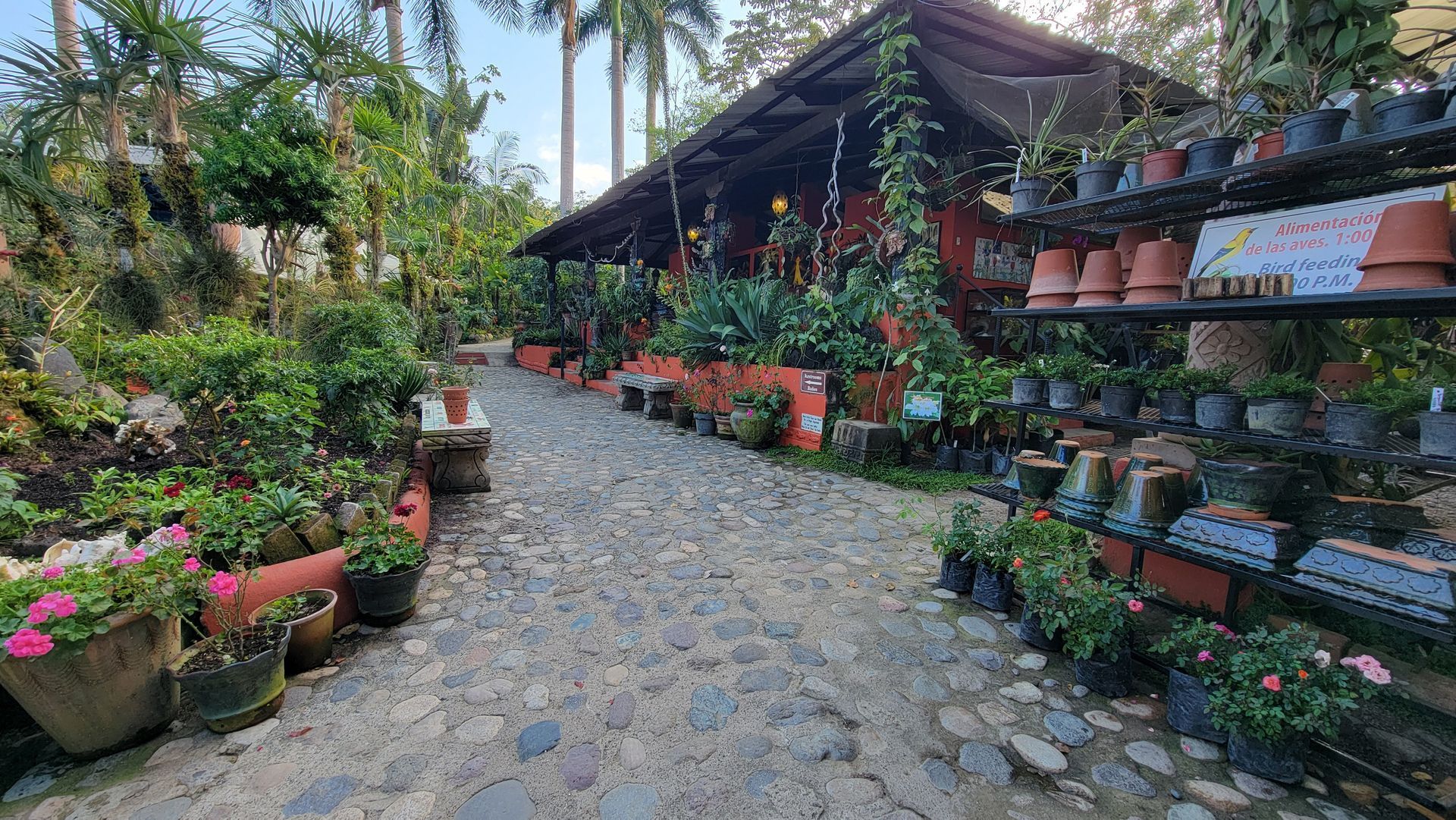
Oh, how I wish I could grow this!
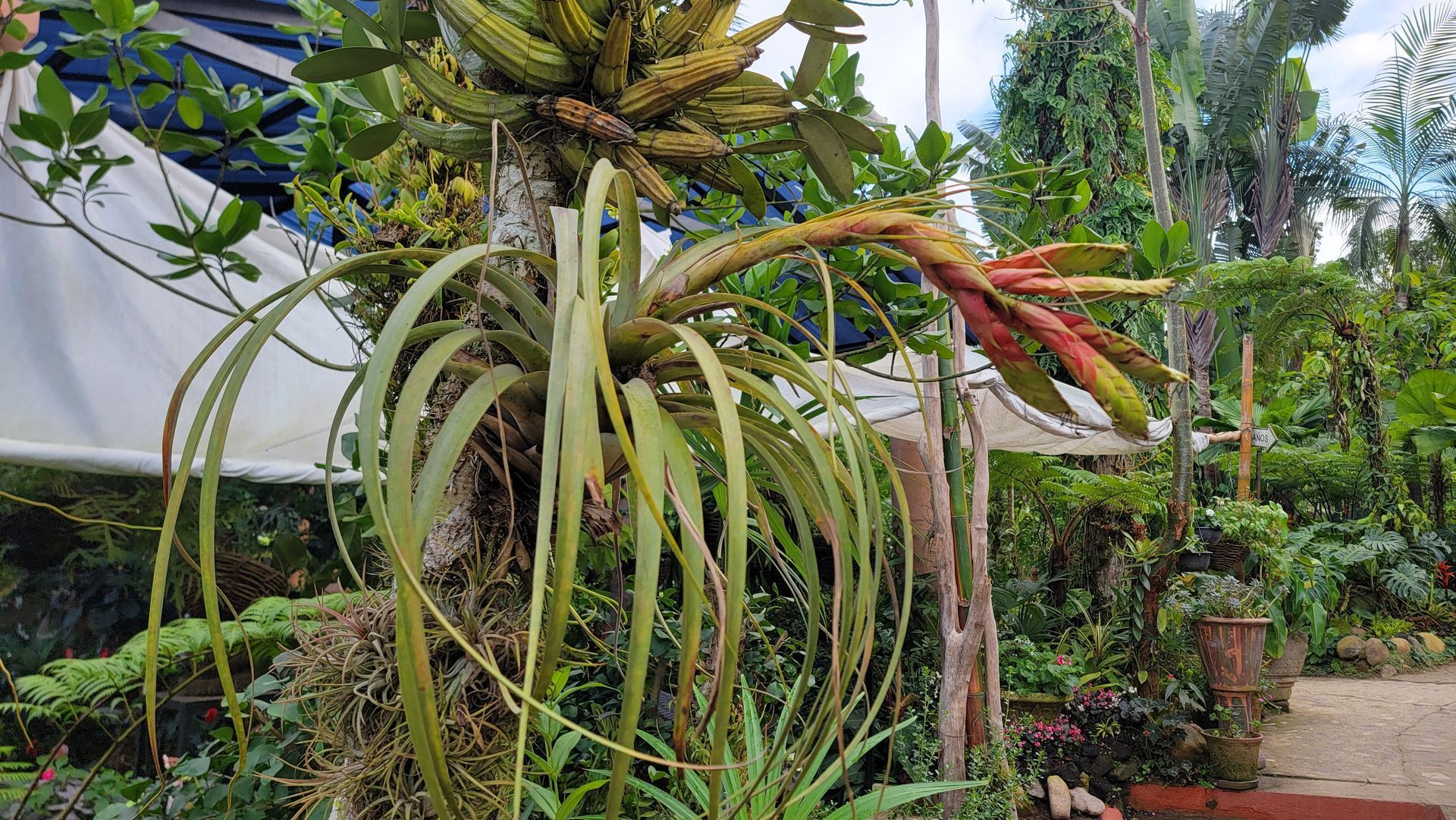
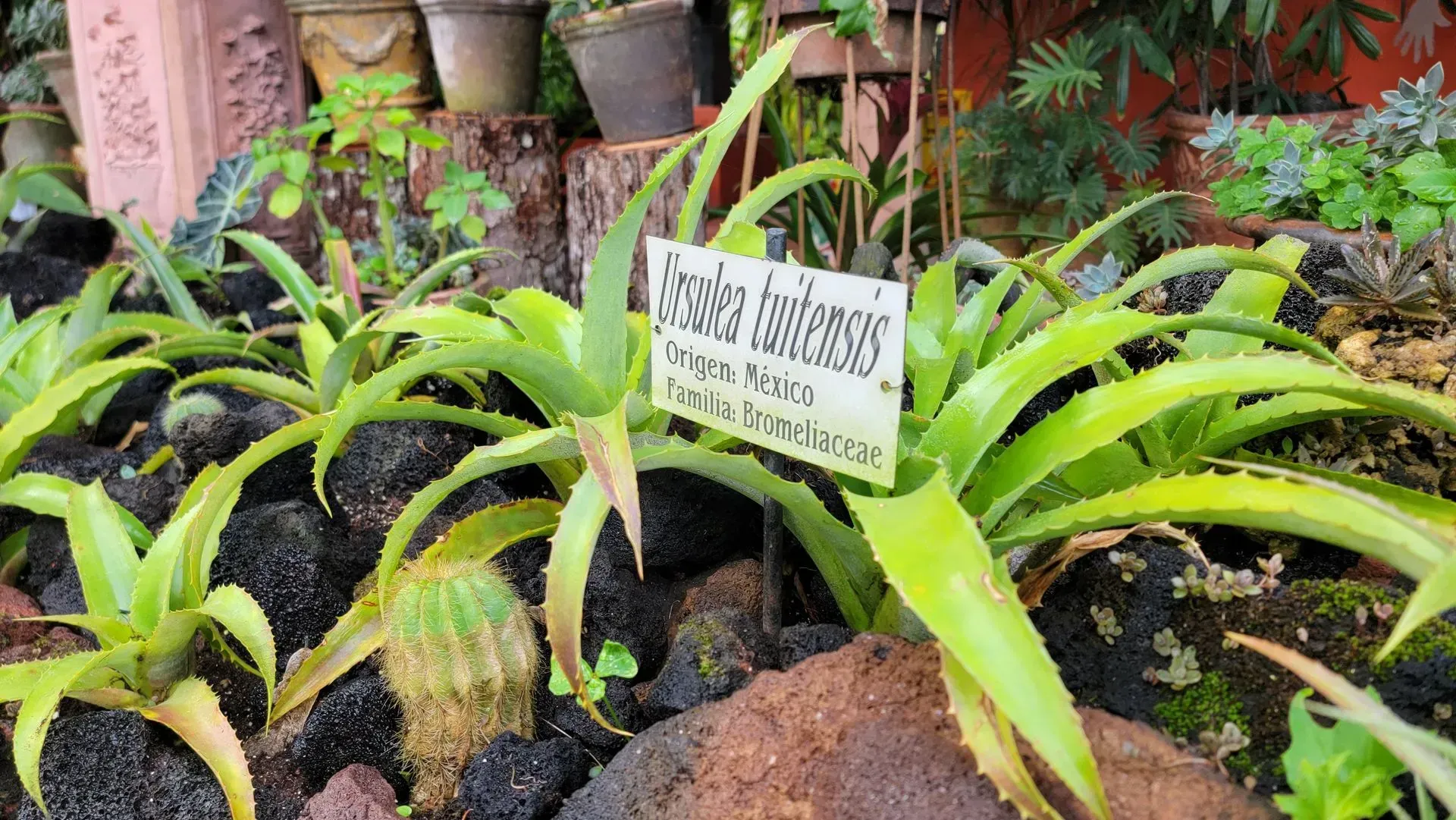
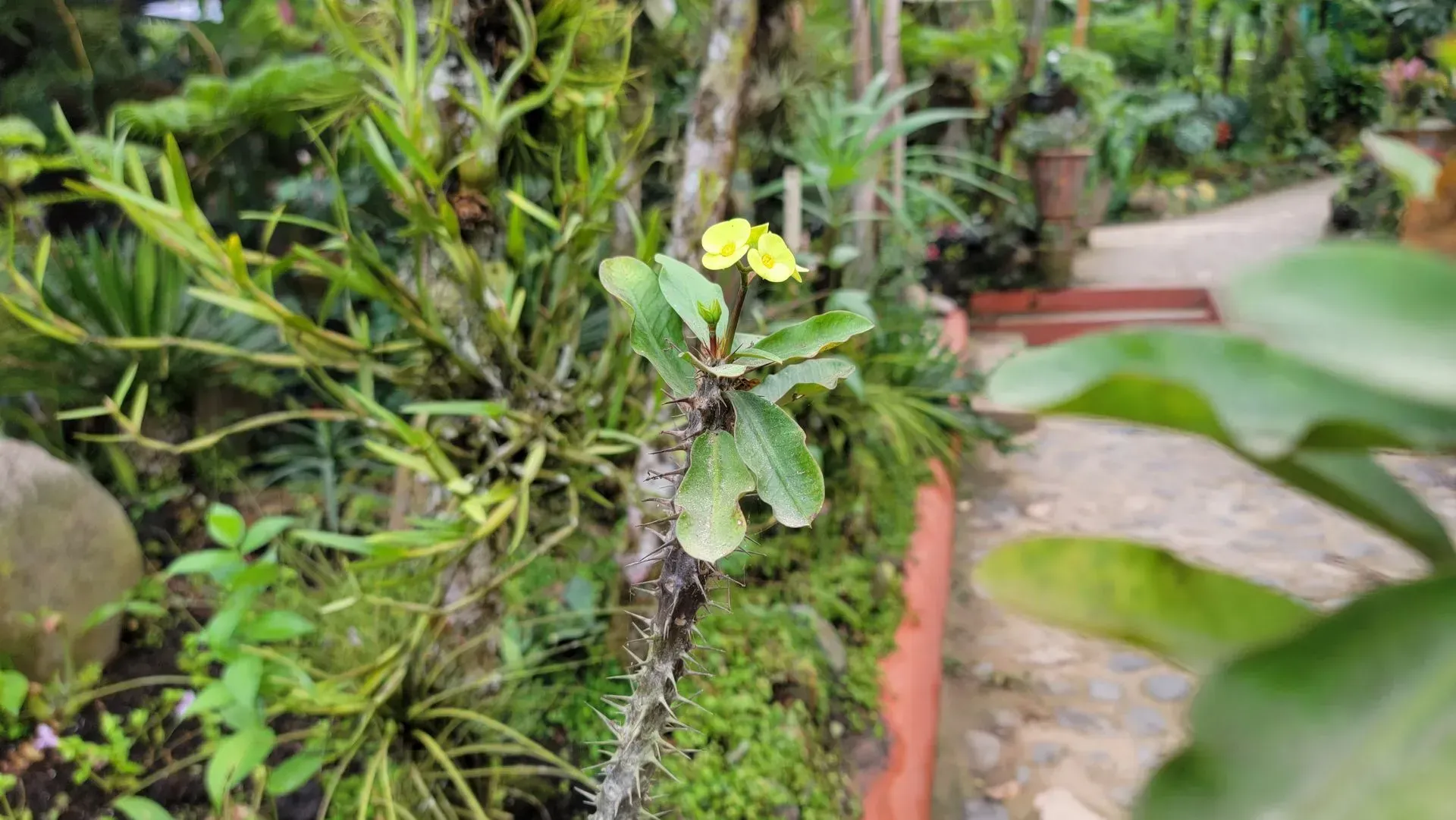
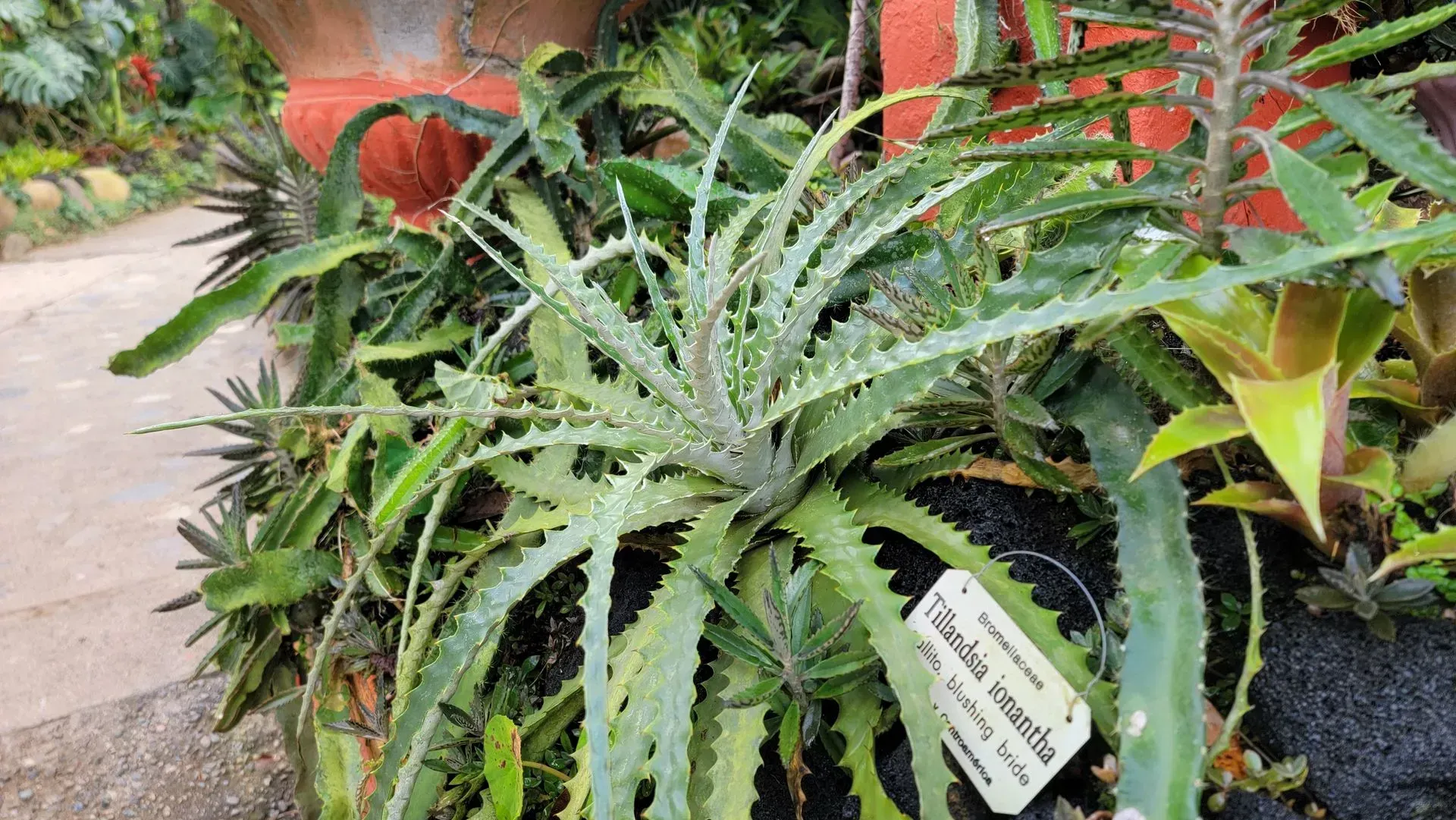
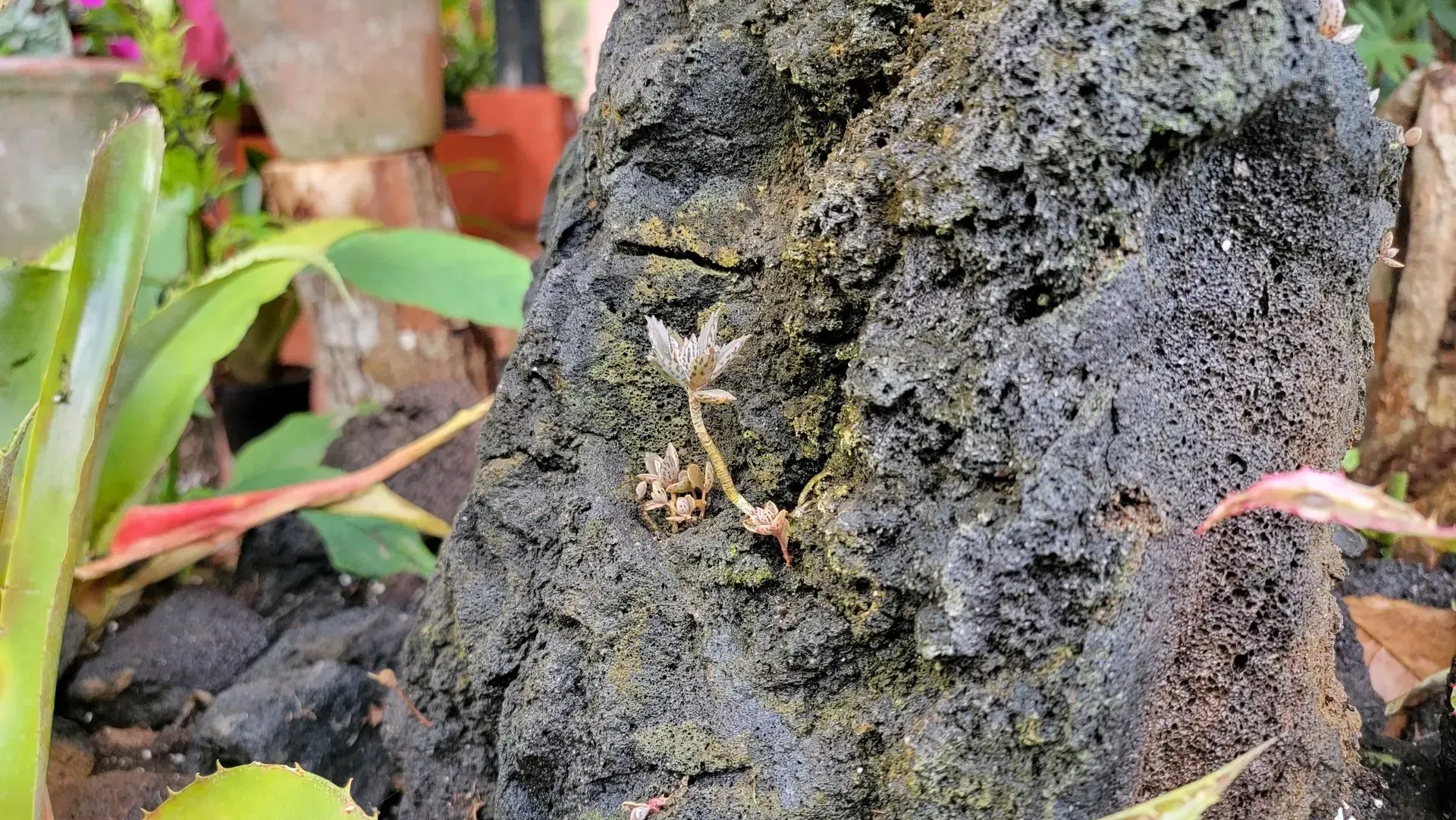
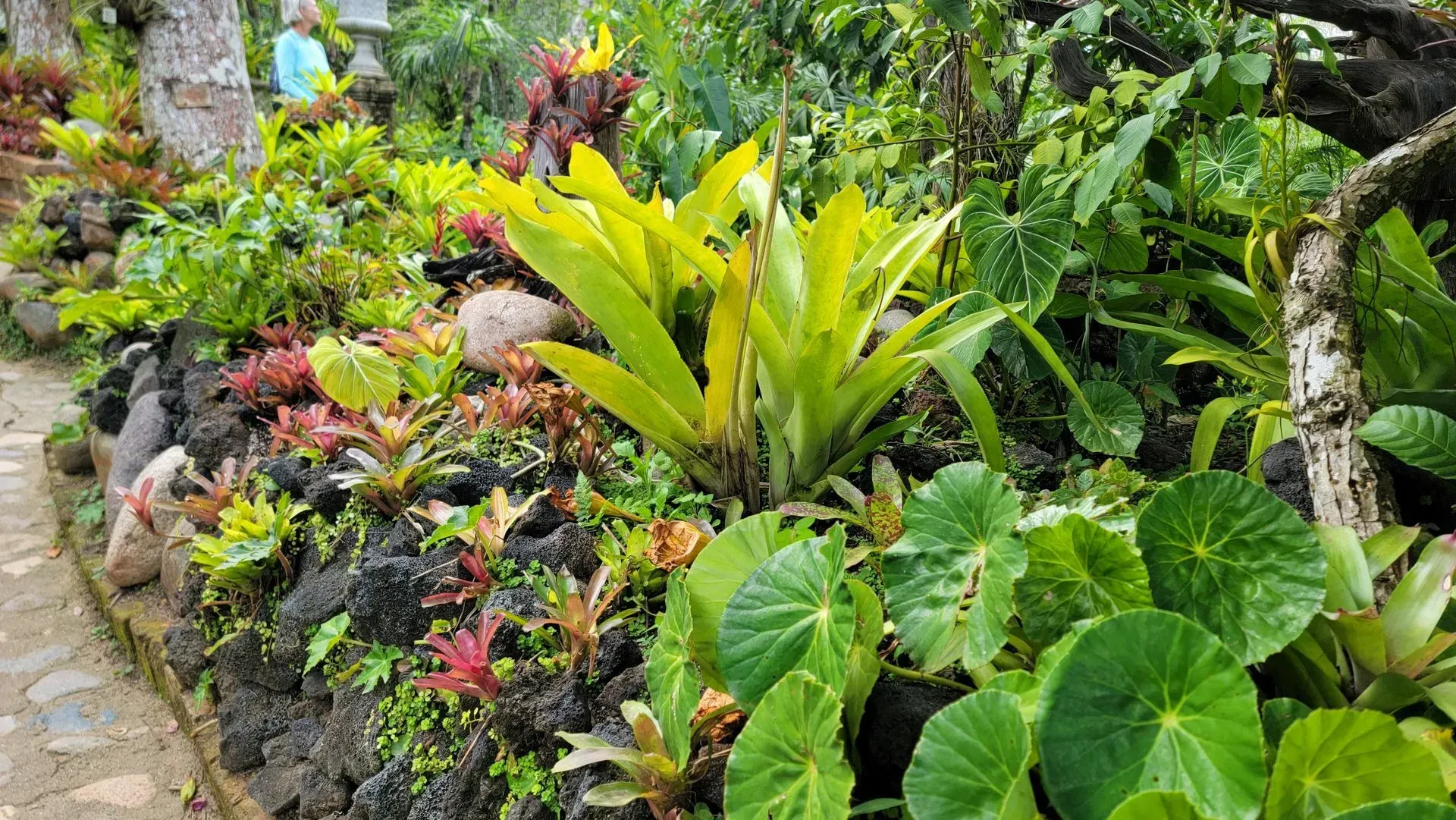
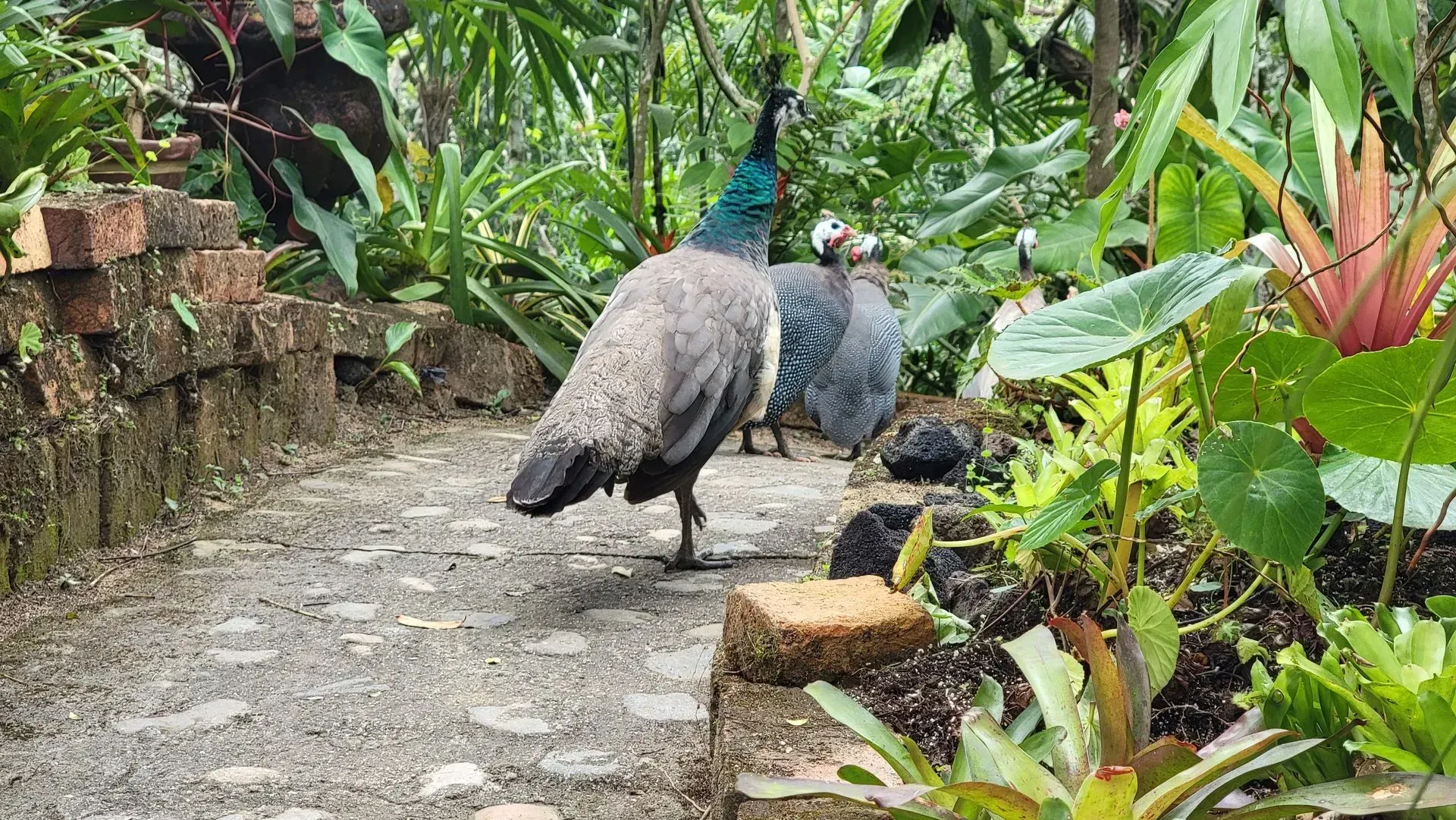
View more
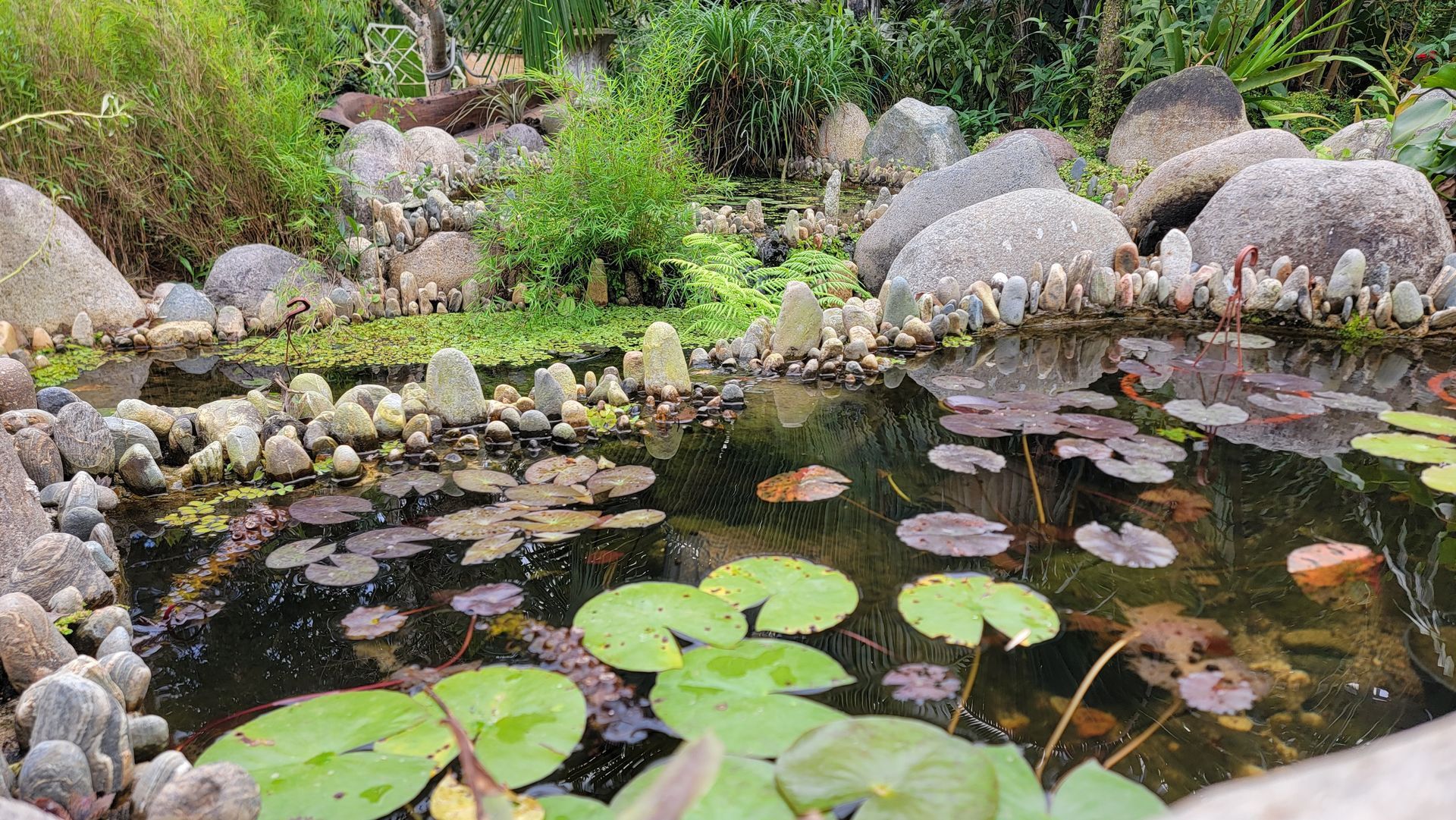
I love how the stones are set in this water feature.
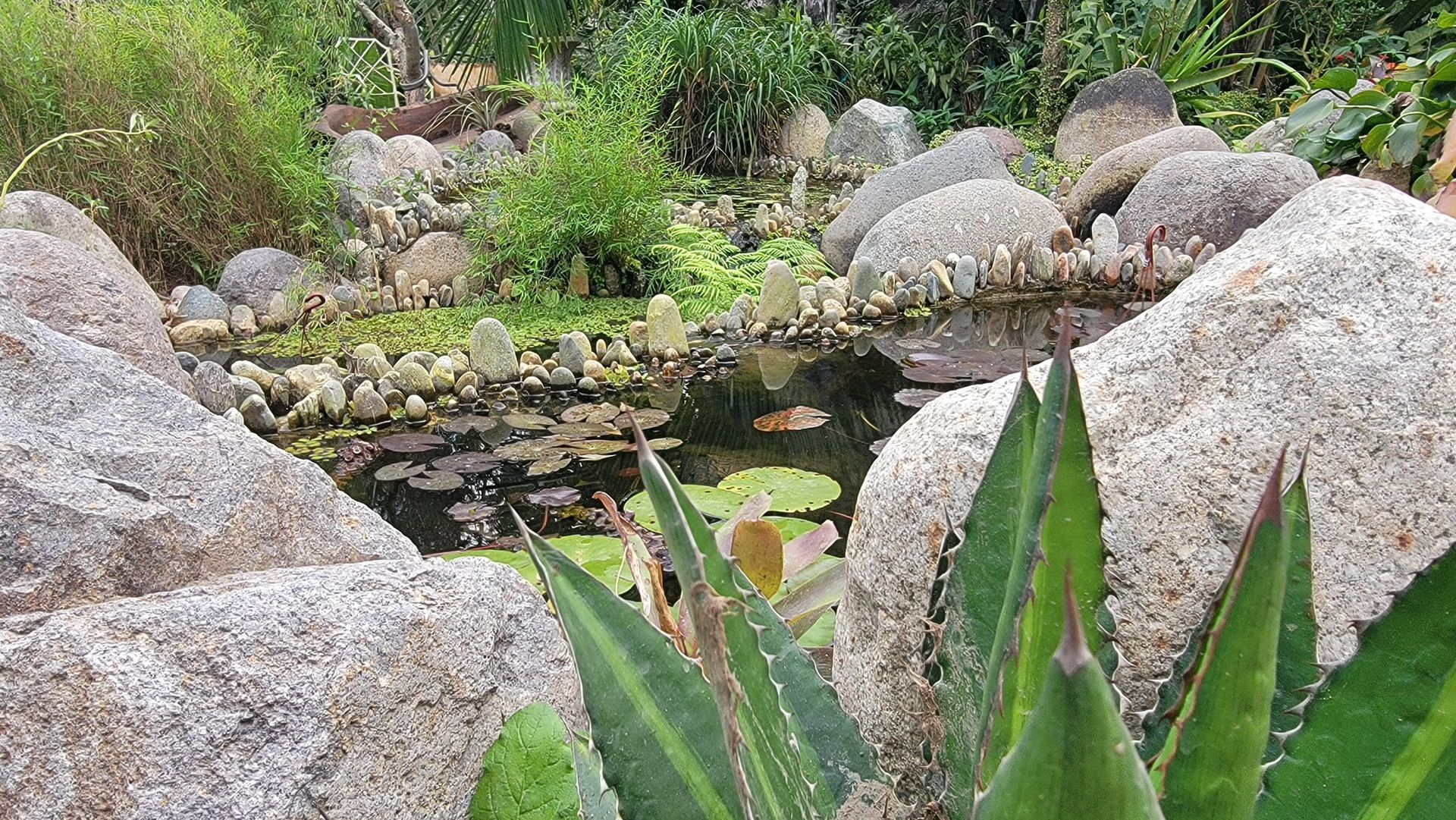
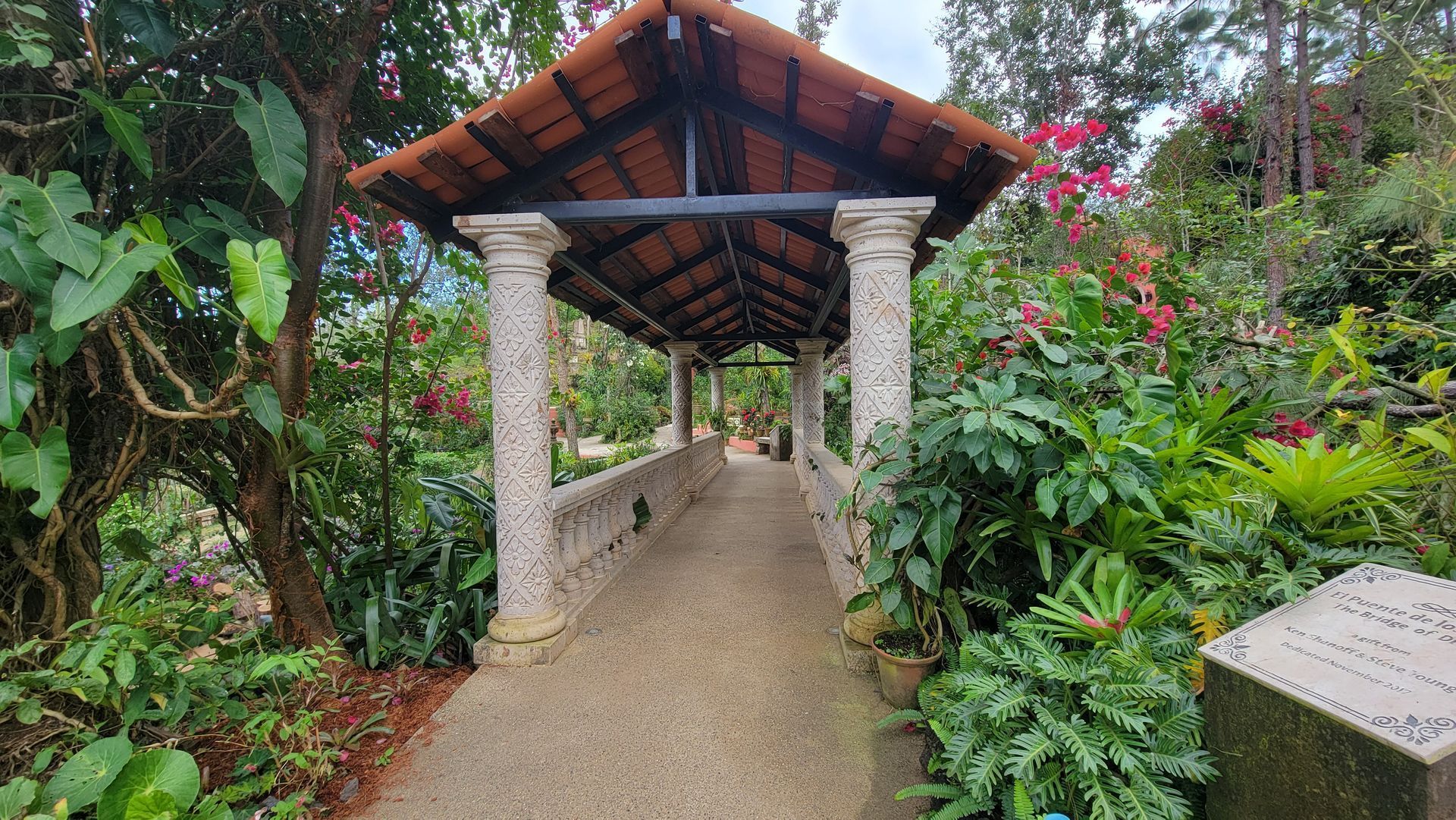
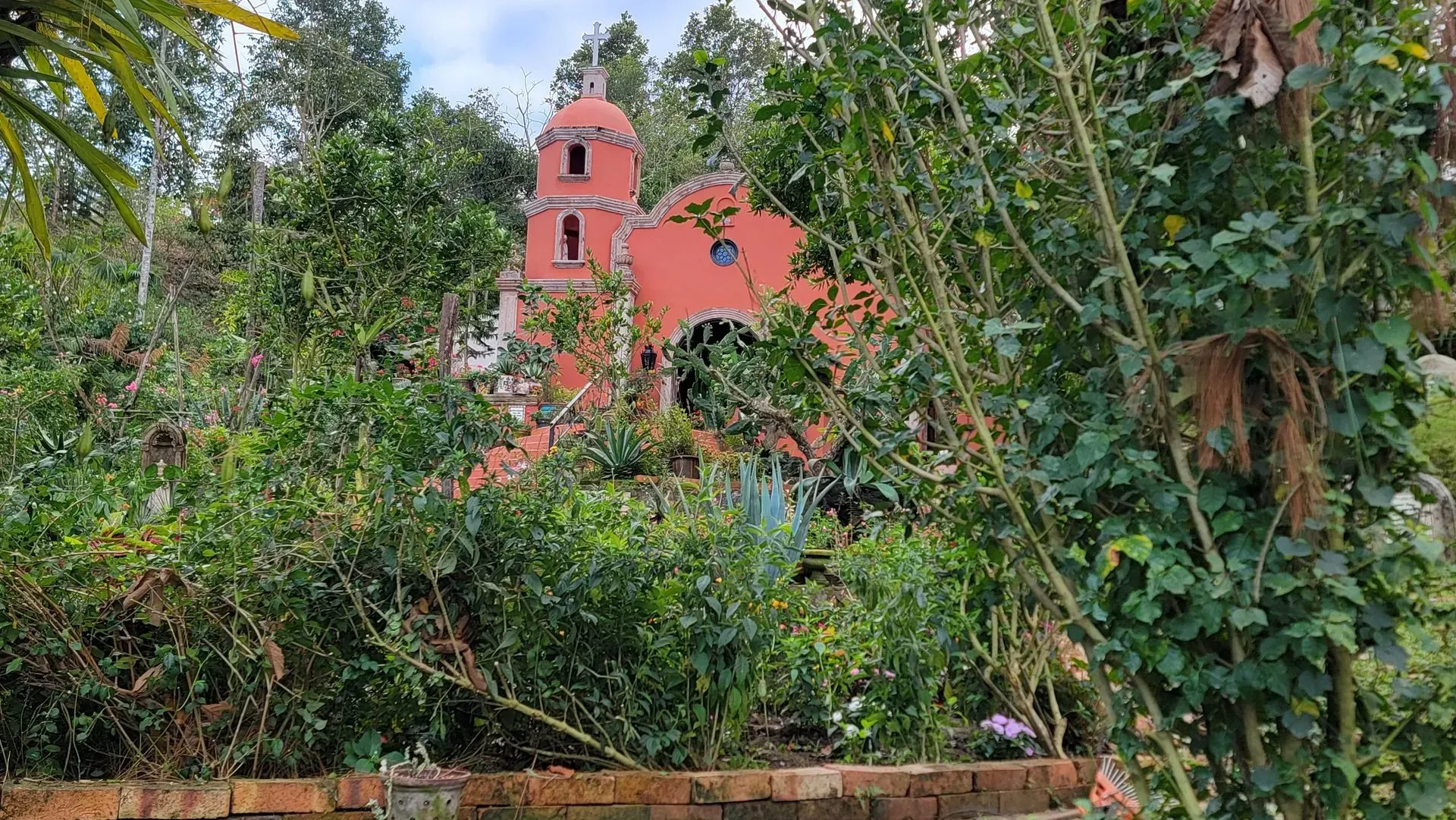
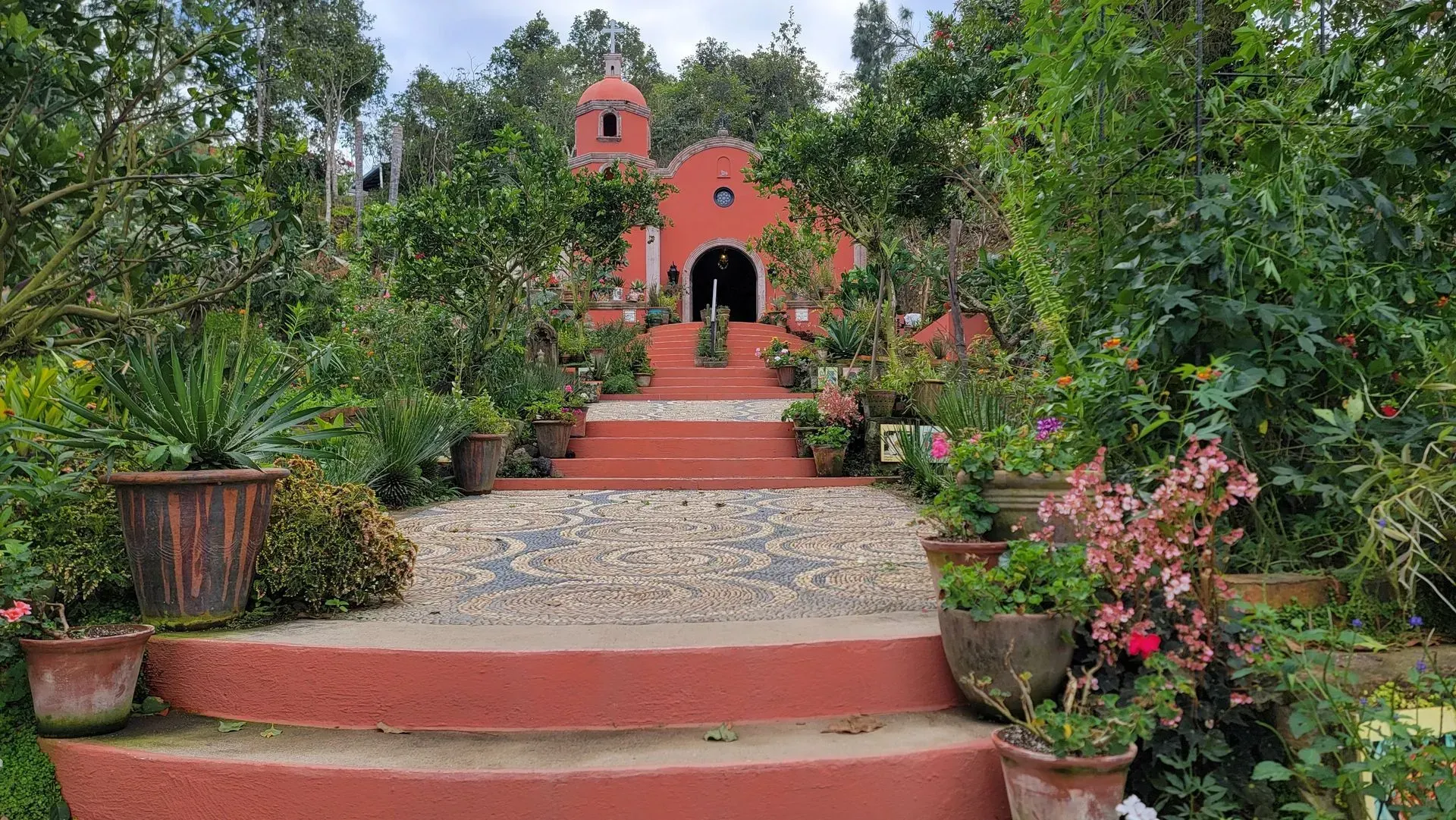
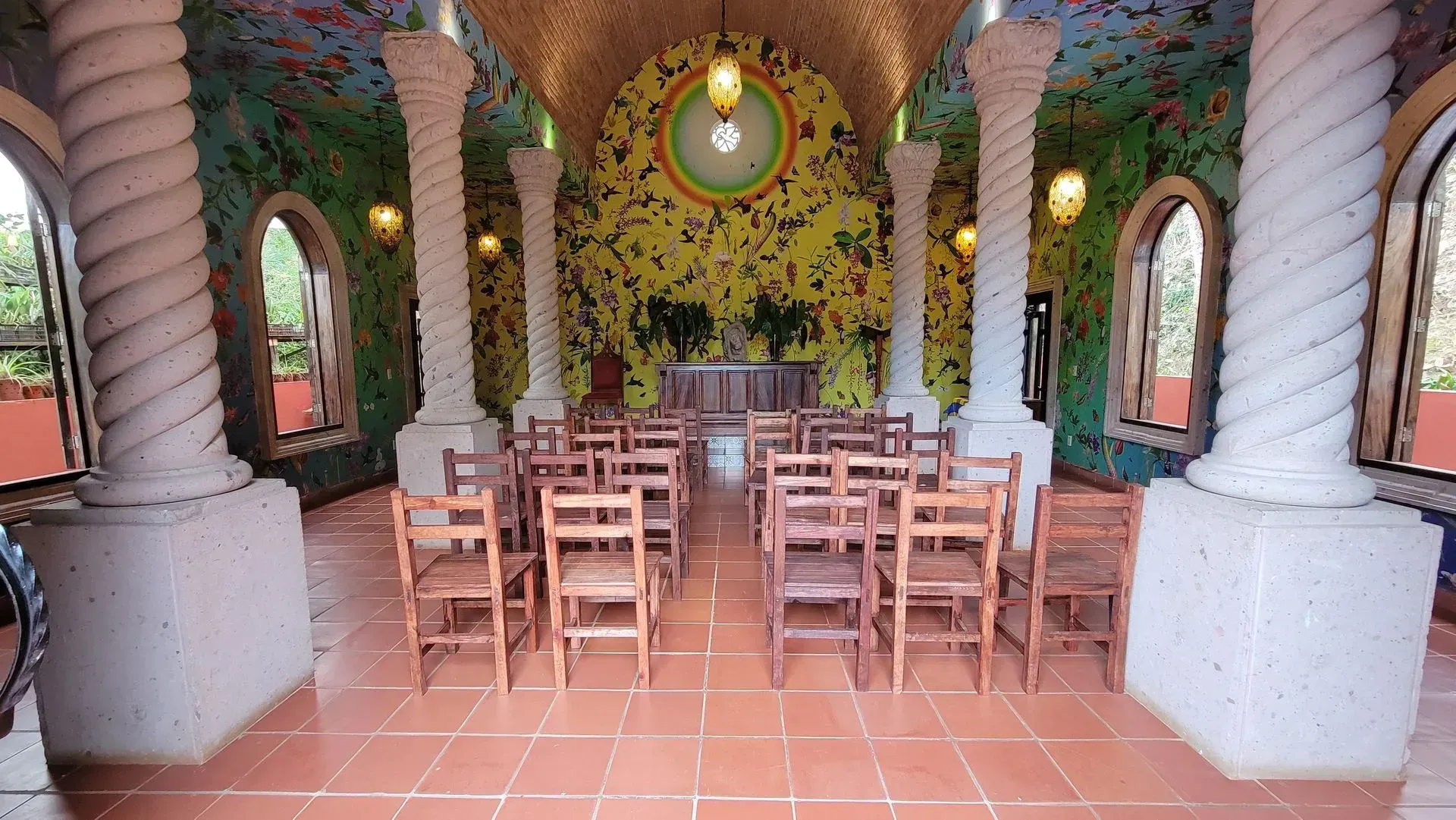
Next, we moved on to the Bridge of Dreams, which leads to Our Lady of the Garden Chapel.
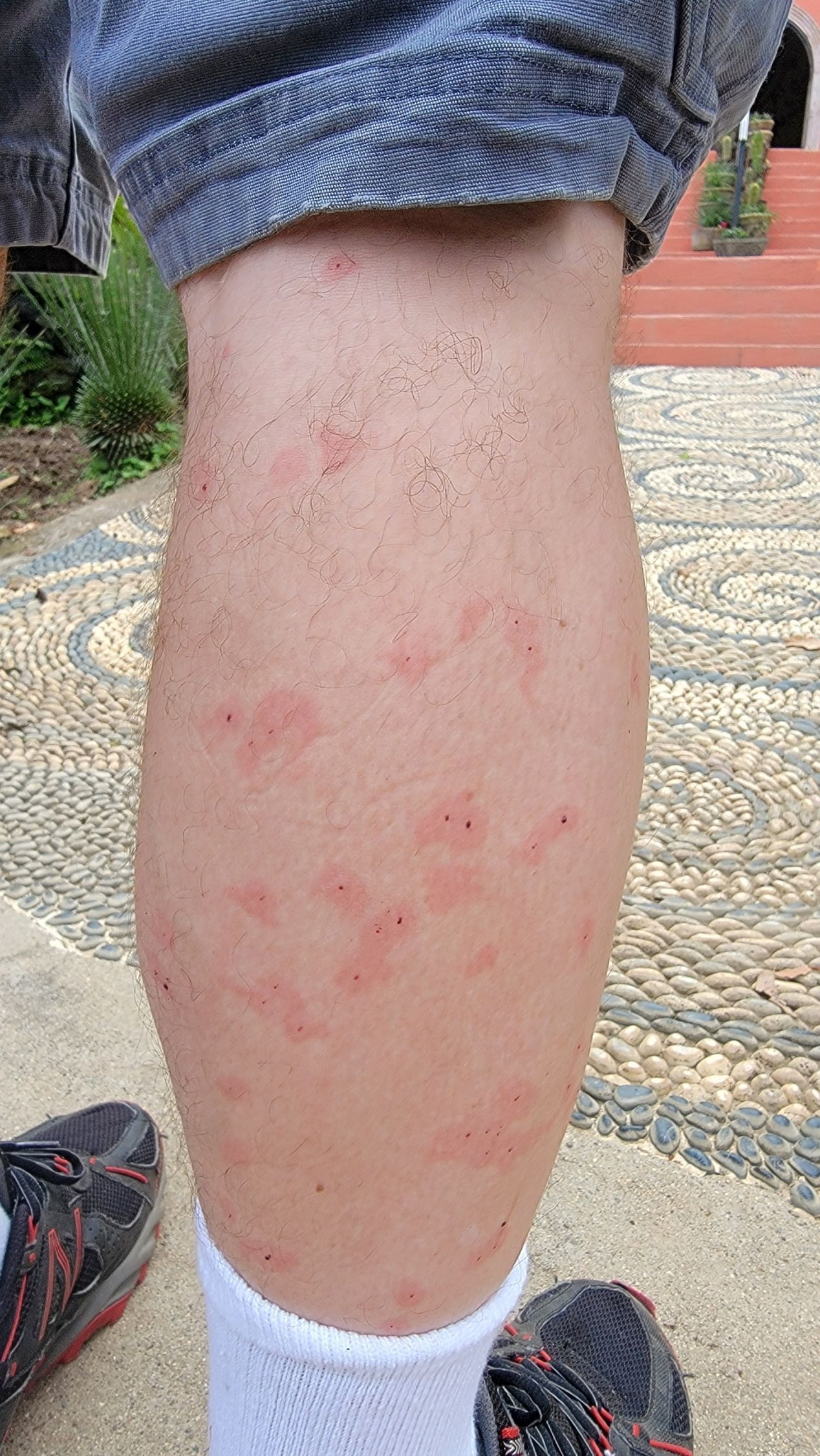
As you can see, bug repellent is a must.
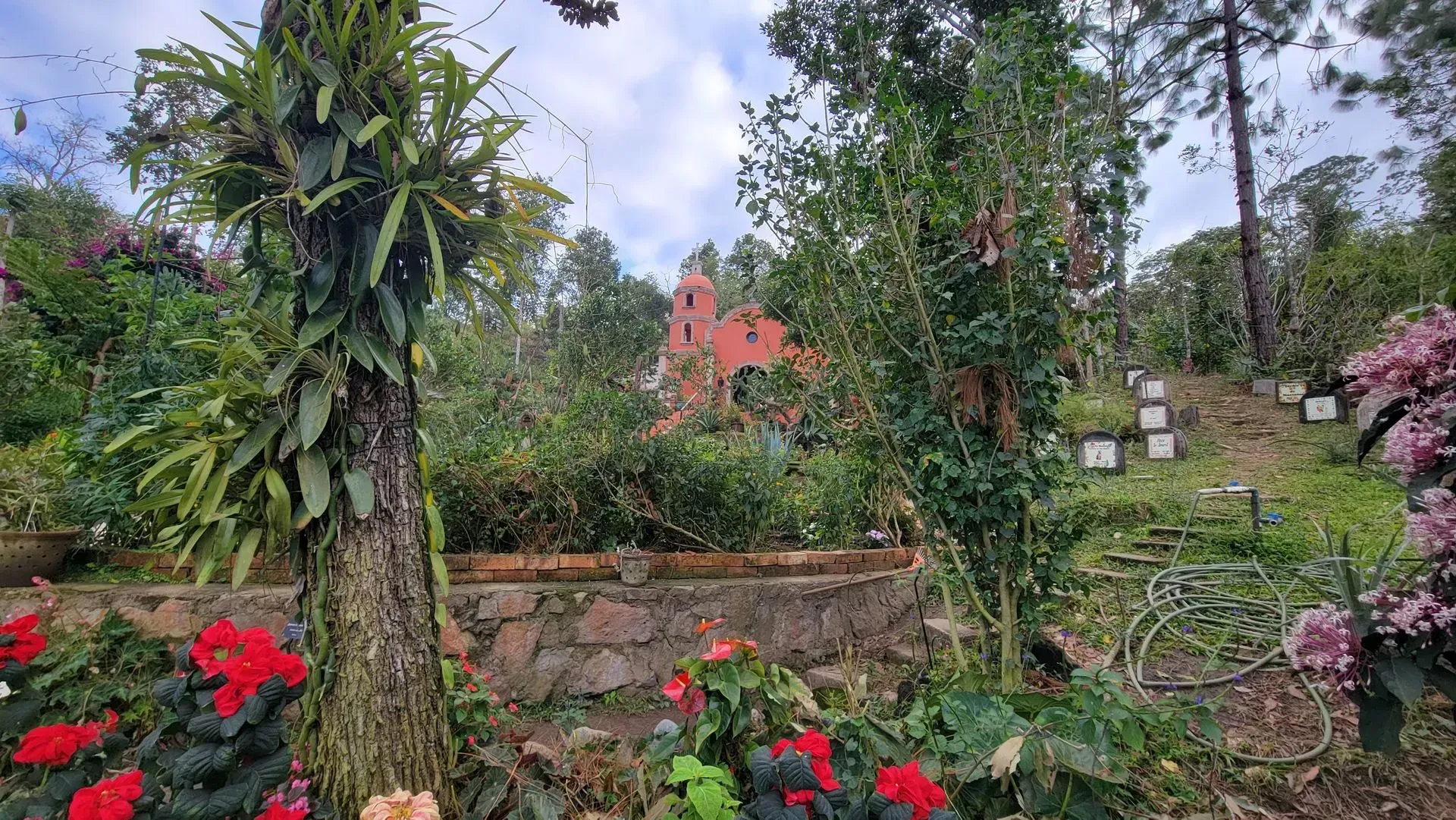
…but the excursion is worth it. Look at this beautiful mosaic work.

View more
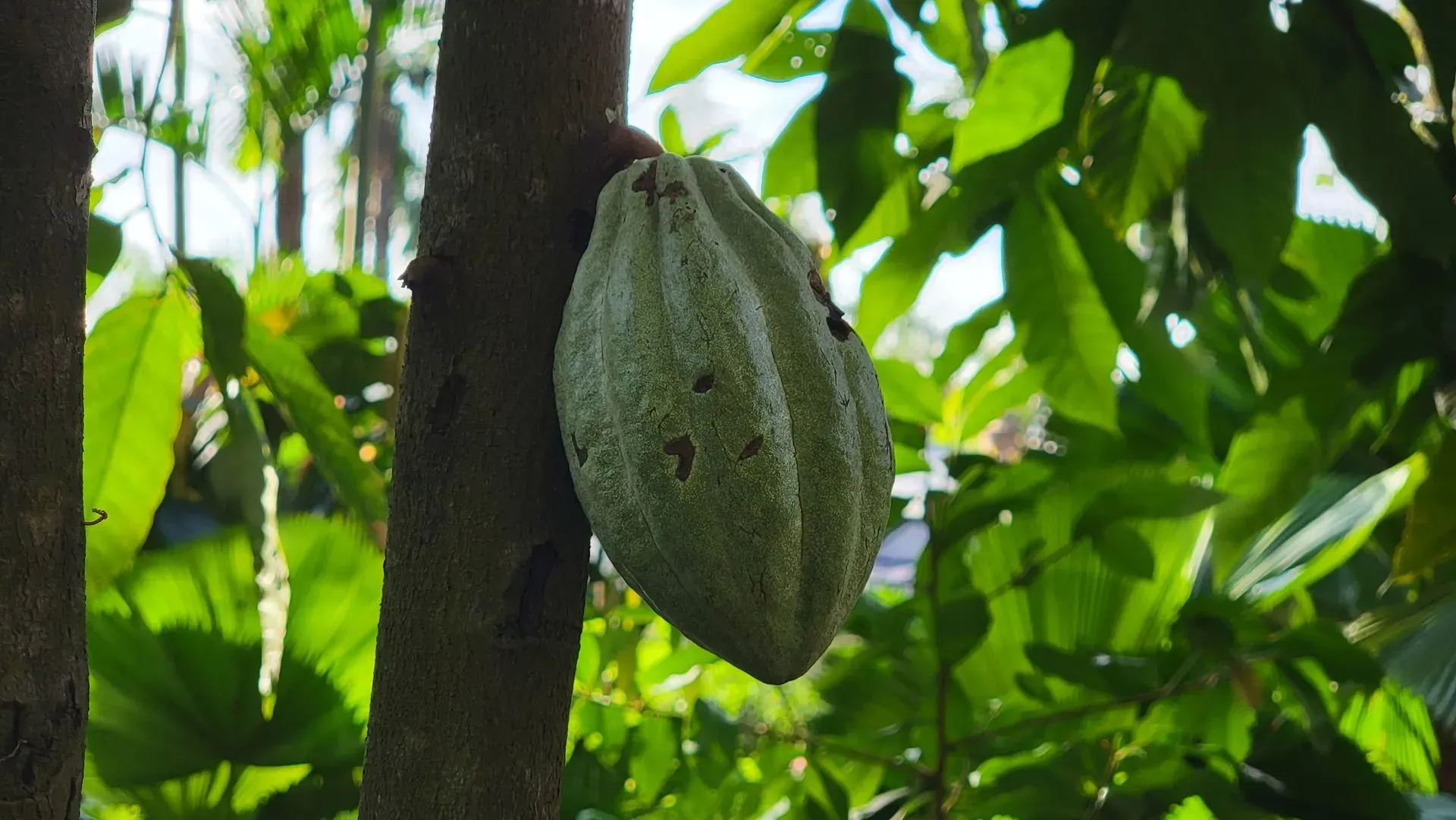
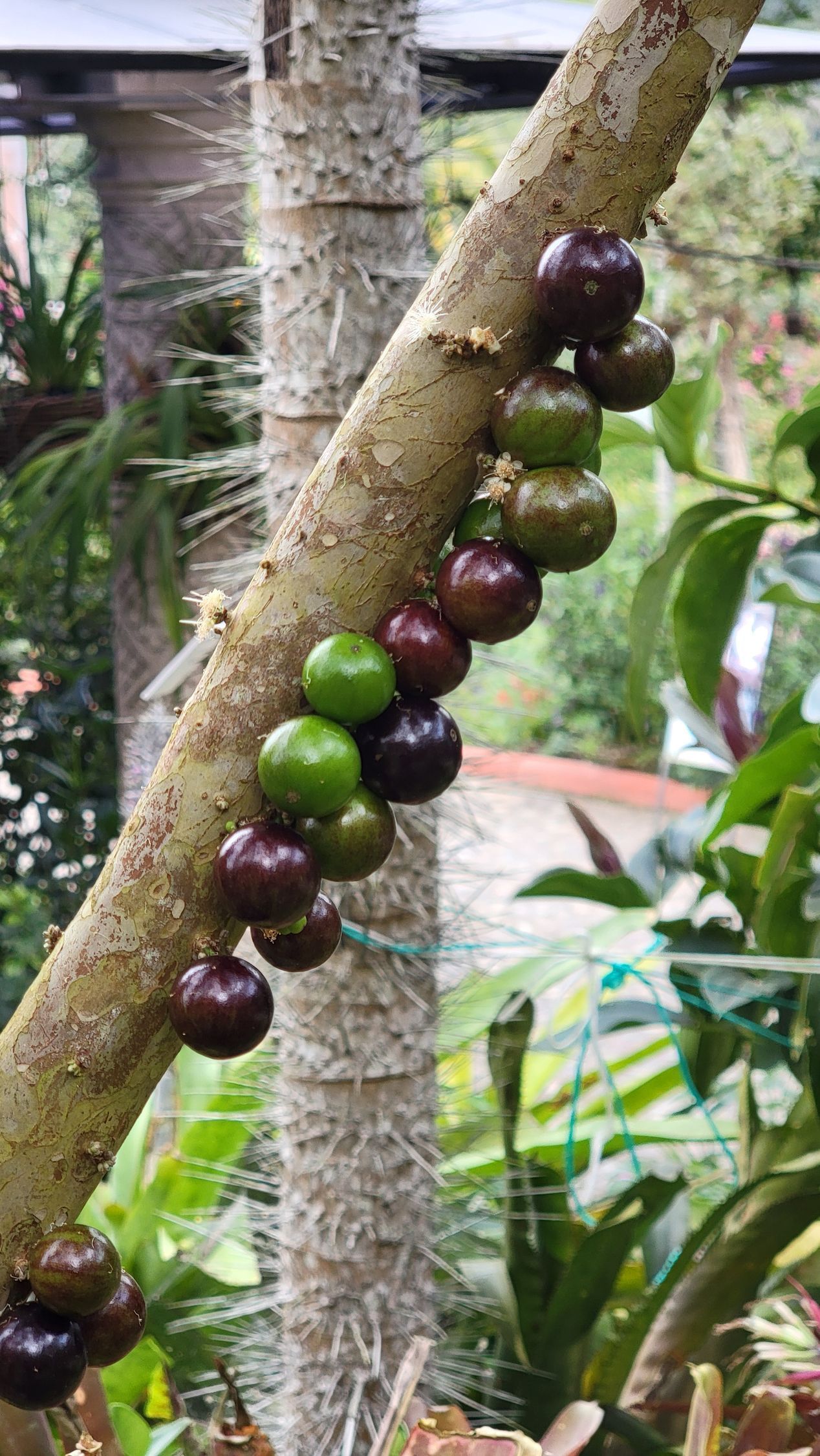
This was my first time noticing the grape tree (Plinia cauliflora), a beautiful example of cauliflory. Cauliflory is an evolutionary adaptation where flowers and fruit develop directly from the trunks and woody branches of plants. You might have noticed redbud trees flower along the stems and older wood. Other examples are fig trees and cacao (chocolate). I’m always fascinated when I see an example.
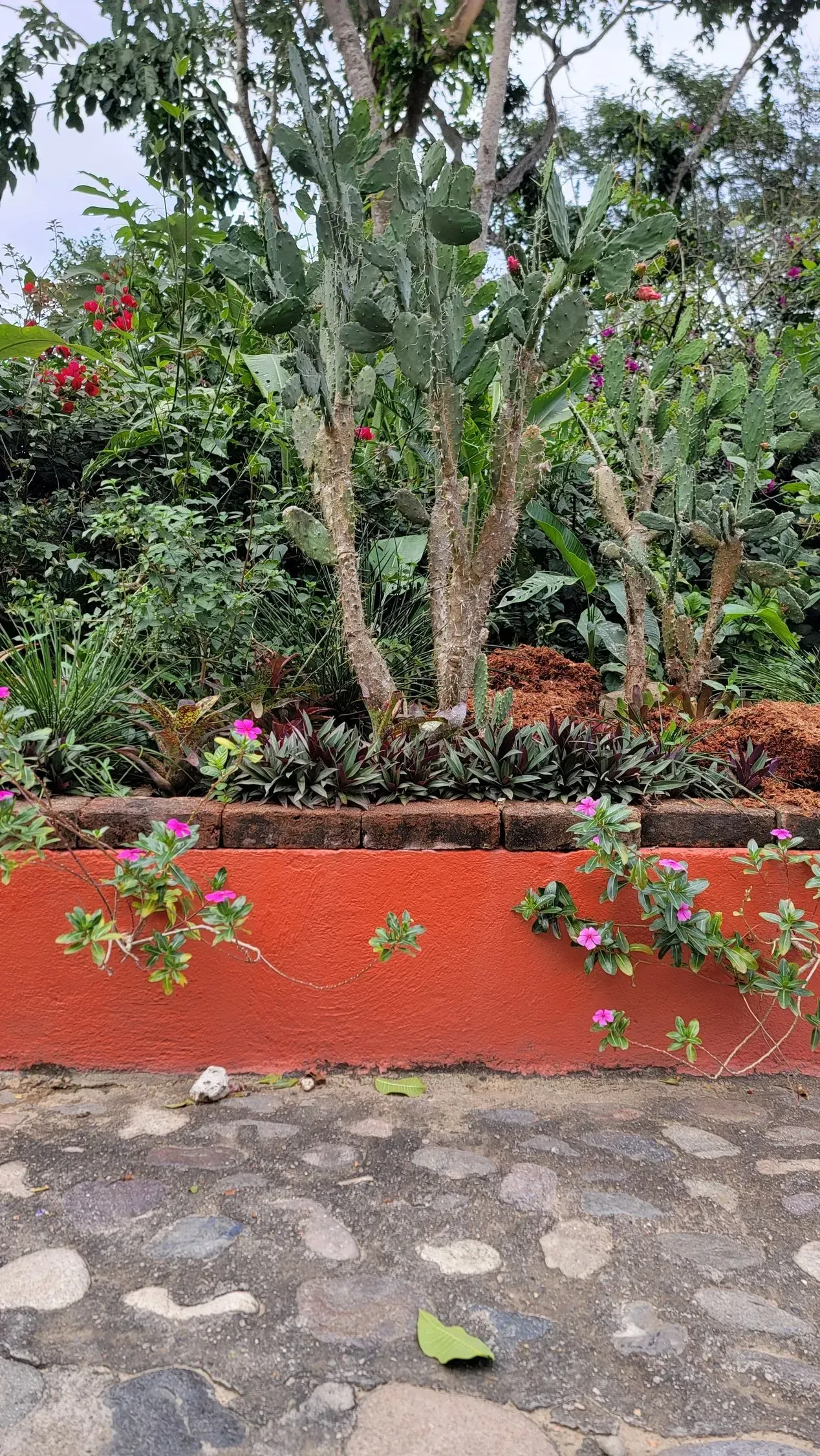
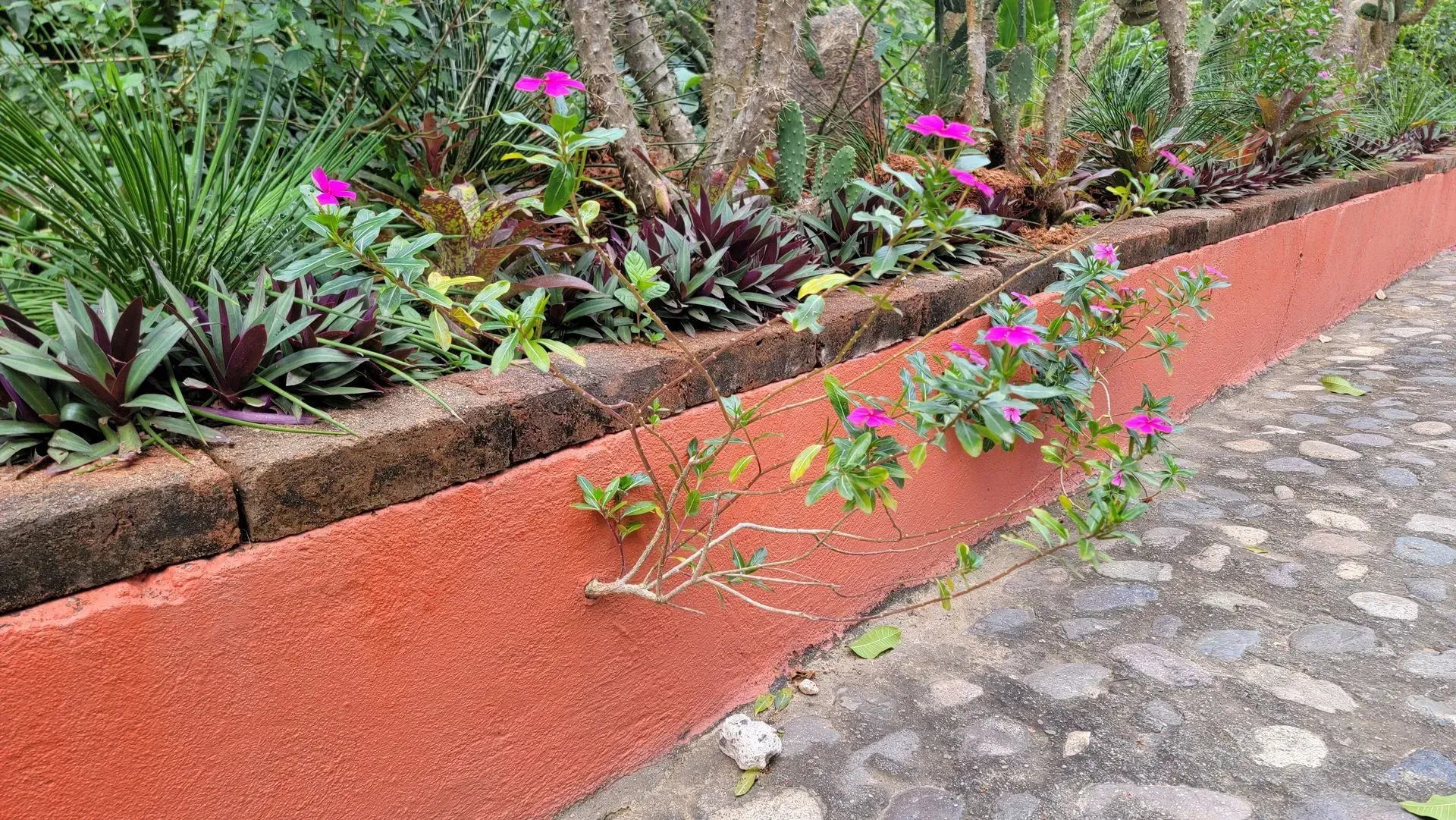
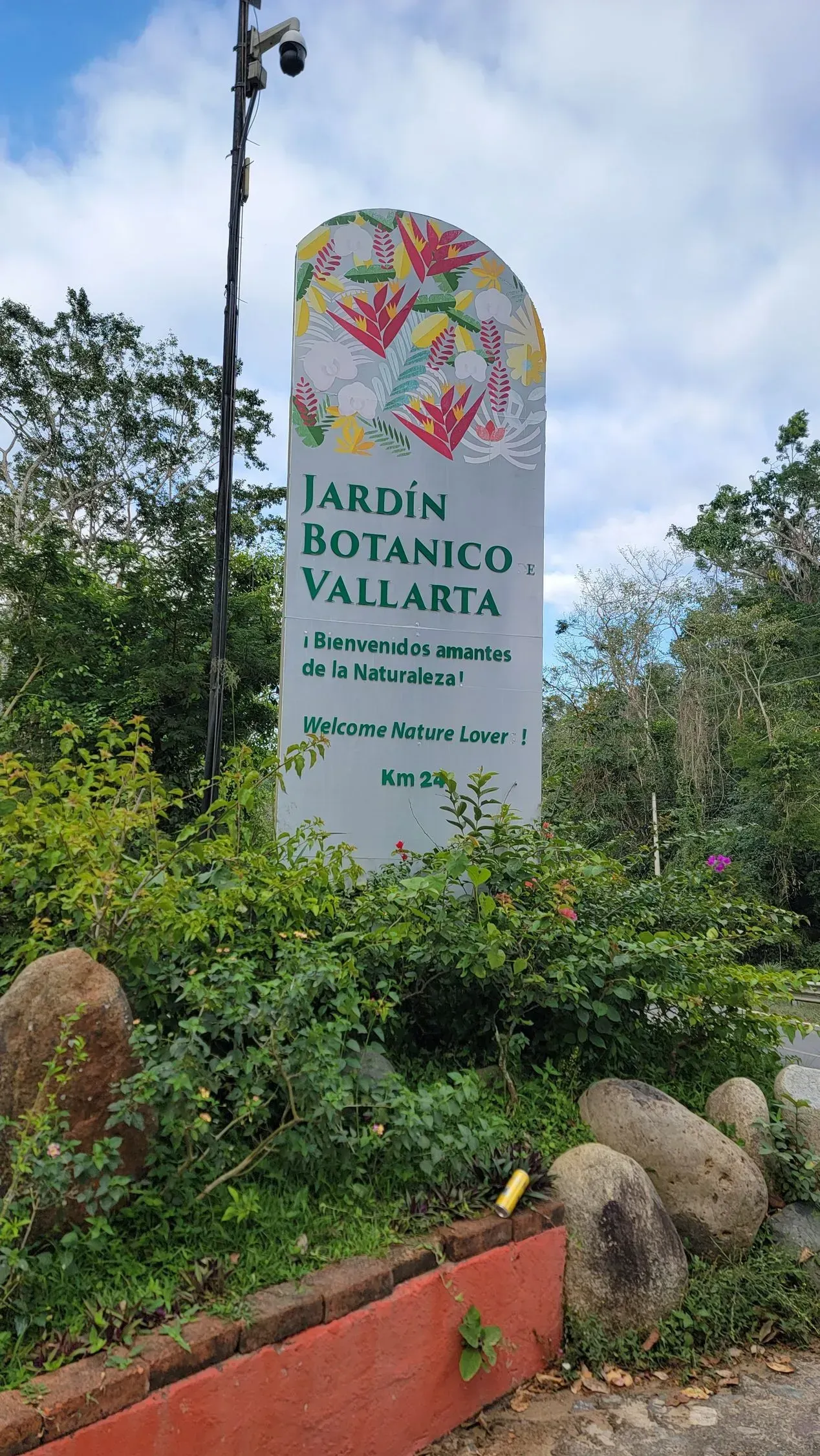

That’s it. I hope you enjoyed the tour, and if you find yourself in PV, make sure to visit the garden.
Thanks,
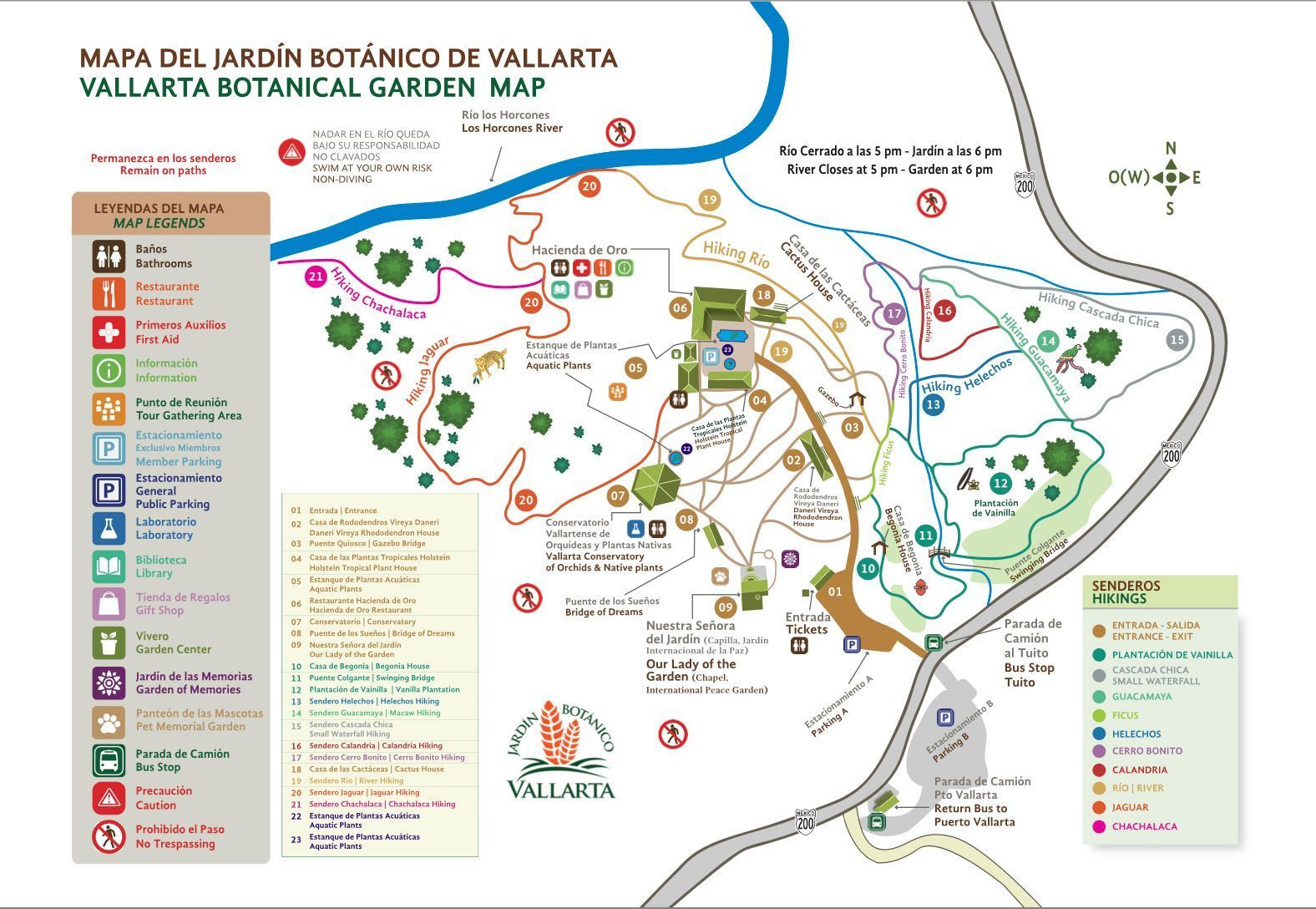
Vallarta Visitor Map - Jardin Botanico Vallarta Website
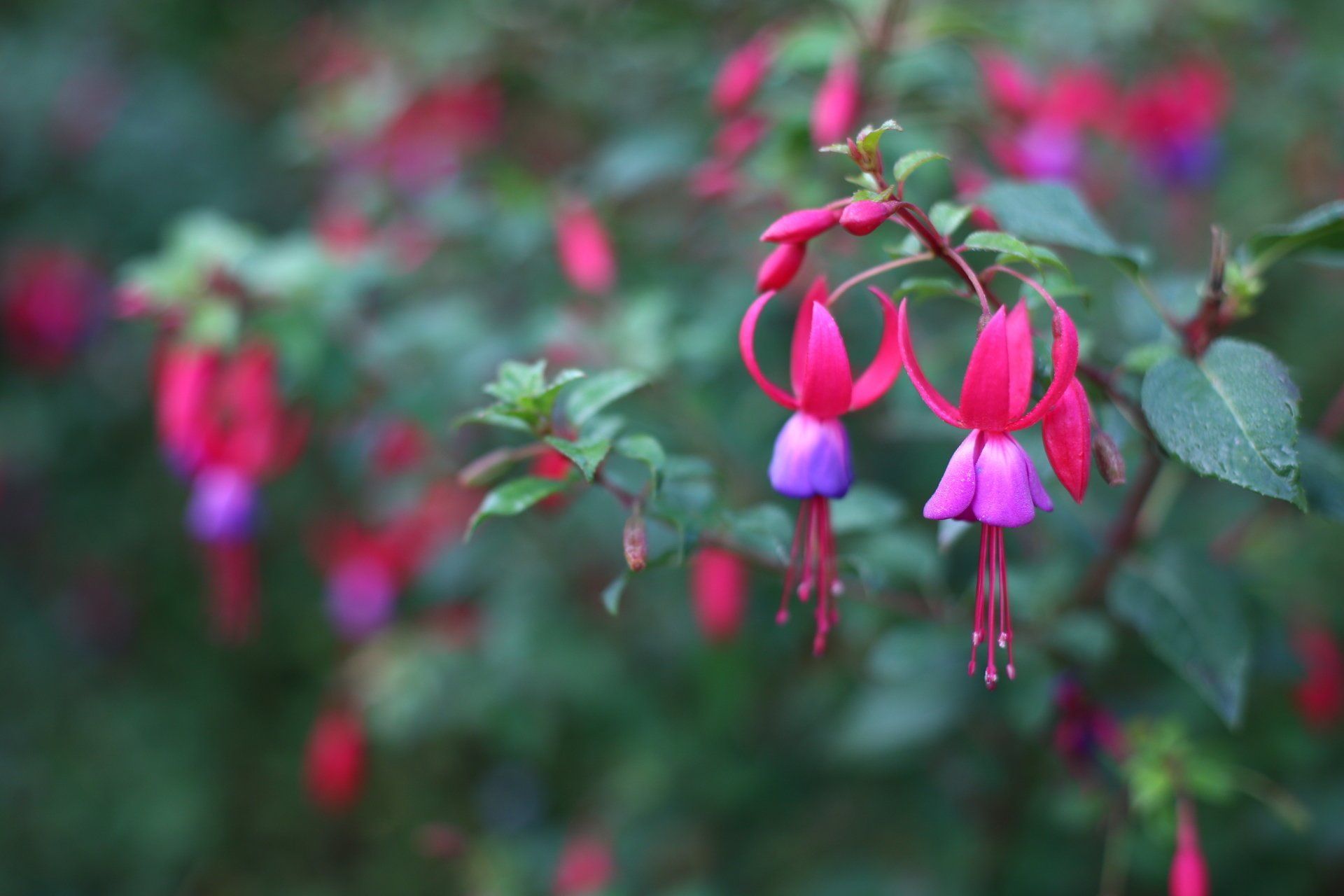
Last year's plant sale was so much fun; we're doing it again! One of our favorite parts of last year's sale wasn't even the plants — it was getting to see so many familiar faces, including people we hadn't seen in a long time. It turned into such a fun morning of plants, garden wandering, conversations, and catching up. So come see us again this year! We'll have a bunch of healthy plants from our little Winterbloom nursery, including natives, ornamentals, some unusual finds, and plants we've grown ourselves. There will also be refreshments, plenty of time to wander through the Thornburg garden, and another chance to find the famous giant rooster. And yes — we're bringing back the landscape raffle too! Saturday, September 26th 9 am–noon 14780 SW 98th Ave Tigard, OR 97224 Everyone is welcome. Come buy some plants, have a mimosa, walk around the garden, and say hi. We'd really love to see you.
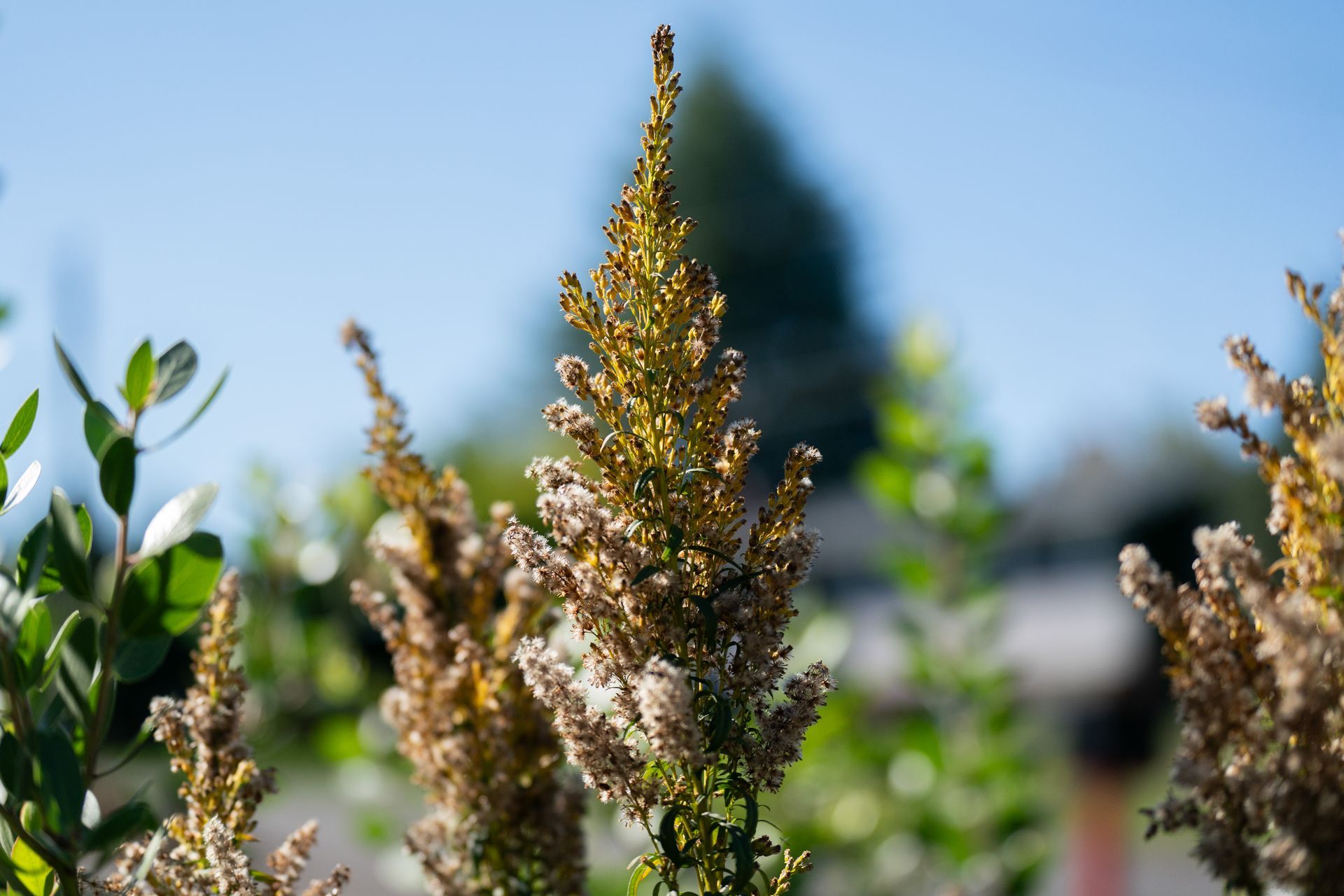
A few years ago, I picked up a copy of Nature's Best Hope by Douglas Tallamy , and it completely shifted the way I looked at gardens. As landscapers and gardeners, we naturally think about beauty first — texture, color, structure, seasonality. But Tallamy’s work pushed me to think more deeply about the role our landscapes play in the larger ecosystem around us. His message really resonated with me: our gardens can be part of the solution. I was so excited after reading that book that I immediately picked up Bringing Nature Home next. Both books reinforced so many of the ideas we’ve been moving toward at Winterbloom for years — creating landscapes that are not only beautiful, but that also support pollinators, birds, and habitat. Reducing our carbon input as we shift to battery-powered equipment. I’m incredibly excited to share that ANLD (Association of Northwest Landscape Designers) has secured Doug Tallamy as a speaker for a special event to be held at the beautiful Council Chambers at Lewis and Clark College on June 17th. This year, I’m serving as Vice President and on the Programs Committee for ANLD, helping to organize educational programming and events. Honestly, it feels a little surreal to help bring in someone whose work had such a big impact on me personally. Tallamy will be presenting his well-known lecture, "Nature's Best Hope," which focuses on how residential landscapes can help restore biodiversity and support wildlife. We’ve also brought together a great lineup of additional speakers, including Kristin Ohlson, Author of The Soil Will Save Us, and Brian French, a local Arborist who will speak on The Habitat in and Around Trees. At Winterbloom, this philosophy continues to shape the way we approach landscapes — from native plantings and habitat gardening to reducing emissions through electric equipment and building healthier soils. Gardens can absolutely be beautiful, but they can also contribute something larger to the environment around us. I hope many of you will join us for this event. I truly think it’s going to be a meaningful and inspiring evening. — Dale Hickey Vice President & Programs Committee, ANLD Co-Owner, Winterbloom Landscaping Cooperative Learn more about this event here: https://www.anld.com/Tallamy-Event
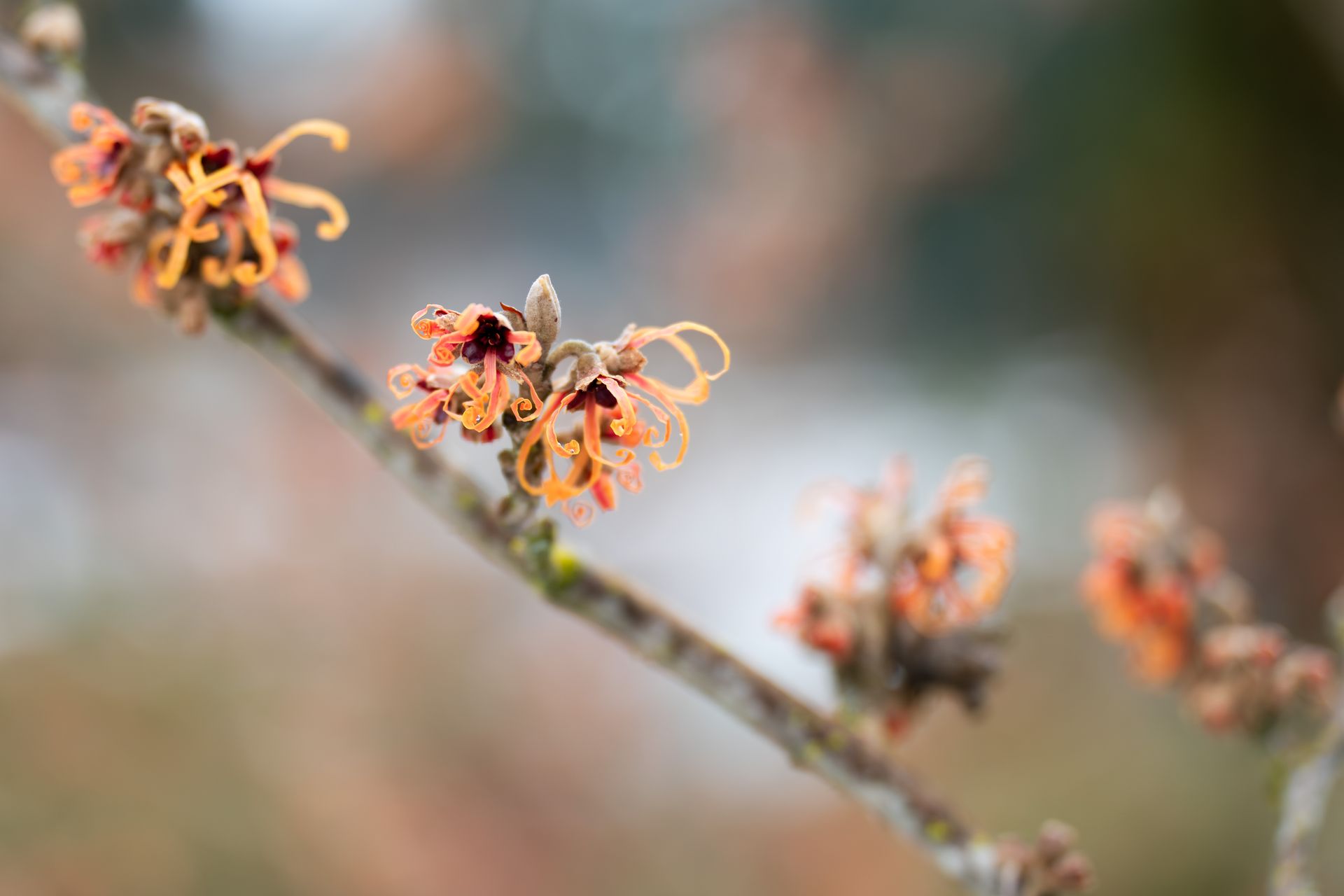
February is a good time to step back into the garden and support the systems that keep it healthy year-round. Many tasks this month are about working with existing ecology—protecting soil life, supporting beneficial insects, and setting plants up for strong growth. Observe before intervening . Take note of where bulbs, perennials, and native plants are beginning to show signs of life so you can avoid unnecessary disturbances. Hand-weed selectively . Removing weeds while they are small reduces competition while reducing soil disturbance. Work in sections and leave undisturbed areas whenever possible to allow overwintering insects to remain undisturbed. Transplant trees and shrubs as needed . This is still a good window for moving woody plants with minimal stress as long as the ground is not frozen. Plant fruit trees and deciduous shrubs , bare-root or container-grown. Consider species that provide nectar, pollen, berries, or cover for wildlife. Plant hardy perennials and perennial herbs such as Allium (chives), Levisticum (lovage), Rosmarinus (rosemary), Salvia (sage), and Thymus (thyme). Be mindful of spreading species like Mentha (mint) and Origanum (oregano), and plant them where they can be contained. Prune fruit trees and train grapes thoughtfully . Retain some structure and avoid over-pruning or removing future fruiting wood. Prune roses and plant new ones if needed . Choose disease-resistant varieties and avoid planting too deeply. February is a great time to prune roses in the PNW. This is when they are most dormant. For upright roses (not climbing), prune out the oldest canes, as these will begin to produce fewer flowers over time. Prune to a vase shape and keep the center open for good airflow. When possible, prune to outward-facing buds. Remove diseased wood and make sure you know whether your rose is grafted. Knowing if it is grafted can influence your pruning techniques. For indoor decoration, prune branches of Chaenomeles (quince), Forsythia, or flowering Prunus and bring indoors for early blooms—leaving the majority of plants intact outdoors for pollinators. Prune summer-flowering shrubs such as Buddleja, Cotoneaster, Clematis, and Hydrangea. For Clematis, watch for new growth to begin emerging, and it is best to prune Hydrangea after threats of heavy frost. Do not prune spring-flowering shrubs like Rhododendron and Azalea, which are already set with buds. Wait to cut back tender perennials such as Fuchsia , Agastache, and Salvia until new growth is clearly visible. Leave fallen leaves and stems in place where appropriate . These materials protect soil, feed microorganisms, and provide critical overwintering habitat. Refresh mulch where needed , about two-three inches deep. Compost mulch is ideal for feeding soil life, while bark mulch can help suppress weeds and reduce erosion. Avoid piling mulch against plant crowns or tree trunks.
The Rainy Season Has Arrived There’s no doubt about it — the rainy season has begun! November is historically the wettest month of the year in Oregon, and your landscape will thank you for a little extra preparation. Here are some tips to keep your garden healthy, resilient, and habitat-friendly this season: General Maintenance Clean roof and gutters to prevent overflow and protect drainage systems from clogging. Compost or mulch fallen leaves instead of disposing of them — they’re valuable organic matter. Look for bare soil and cover exposed areas with organic mulch such as medium dark hemlock, arborist chips, or fallen leaves. Weed first, then mulch to prevent erosion and feed soil lif e. Mulch insulates plant roots, suppresses weeds, and supports beneficial organisms like earthworms and fungi. Some tender plants (Fuchsias, Dahlias, Cannas) benefit from an extra “blanket” of mulch to protect from frost. Remember: mulch in summer also conserves moisture and keeps roots cool. Check irrigation systems : Turn off the automatic controller. Turn off the water at the street or backflow prevention device. Drain the system if possible to prevent damage from freezing. Prune tall roses back by about one-third to prevent winter wind damage. Avoid hard pruning until they’re fully dormant later in the winter. Lawn Care (or Lawn Alternatives!) If moss is creeping in, it’s a sign of shade, poor drainage, or compacted soil. Before reaching for moss killer, consider reshaping or reducing your lawn. Converting shaded areas to native groundcovers or meadow plantings benefits pollinators and reduces mowing. If you maintain lawn areas, aerate, lime (50–80 lb per 1,000 sq ft), and fertilize with a slow-release winter blend to support healthy growth. Remove fallen leaves promptly. Wet leaves can smother grass, but when raked into planting beds, they become excellent free mulch that improves soil structure and provides habitat for overwintering insects. Store garden tools and equipment clean and dry: sharpen blades, oil metal surfaces, and disconnect hoses to prevent freeze damage. Planting & Seasonal Color Now is the best time to plant or transplant trees and shrubs — roots establish best in cool, moist soil. (Unless we are talking cacti and succulents, let's plant those in Spring!) Still time for spring bulbs! Get tulips, daffodils, crocus, and alliums in the ground before it freezes. Force Paperwhite Narcissus indoors for holiday blooms — they flower in about five weeks. Prune shrubs that bloomed in late summer or fall. Avoid pruning spring bloomers now, as you’d remove next year’s buds. Soil & Drainage Watch for water pooling during heavy rains. If you see soggy areas, consider adding rain gardens, French drains, or dry wells to improve infiltration. Native sedges, rushes, and moisture-loving ferns thrive in these areas and support native pollinators. Compost and leaf cover: Spread composted manure or leaf mulch over dormant garden beds to feed soil life and prevent compaction. Shrubs, Trees & Perennials Rhododendrons and Azaleas: If leaves are yellowing, fertilize lightly with an acid-loving plant food while soil is moist. Never lime these plants. If they’re already green, simply mulch with leaves — they prefer organic matter over extra fertilizer. Tender perennials like Dahlias or Cannas can be dug, stored, or mulched deeply for winter protection. Vegetable & Edible Gardens Garlic can still be planted for harvest next summer. Fruit trees: rake and remove diseased leaves to prevent fungal spread — replace with clean leaves or bark mulch. Rhubarb and asparagus beds: top with compost or composted manure. Cover vegetable beds with a 3–4-inch layer of leaves to prevent compaction and enrich soil for spring planting. Store potatoes around 40°F in a dark, cool space like a garage. Habitat & Wildlife Leave seed heads on native plants, ornamental grasses, echinacea, and rudbeckia to feed birds and shelter beneficial insects. Add bird habitat: Provide water, shelter, and native food sources through shrubs like snowberry, elderberry, and red-twig dogwood. Avoid using slug bait with metaldehyde — instead, hand-pick slugs or use iron phosphate-based alternatives safe for pets and wildlife. Consider planting Saffron Crocus (Crocus sativus) — a late-blooming crocus that supports pollinators and yields edible spice threads next fall. Houseplants: reduce fertilizing during low-light months; let them rest until spring.
On Saturday, September 27th, we held our fall plant sale at Thornhurst Garden—and what a day it was! The garden itself provided the perfect backdrop, with the changing leaves and late blooms showing off the season’s beauty. It was such a joy to see so many friendly faces—neighbors, friends, and new visitors alike—coming together to share their love of plants. Events like these remind us how much community is at the heart of gardening. The sale helped us find new homes for much of our overstock, and many folks walked away with treasures for their own gardens. Moist fall soil means these plants will settle in happily, making this truly the best season to get them in the ground. We also held a raffle, and we’re excited to announce that Sarah Reid was our winner! Congratulations, Sarah! Thank you to everyone who came out to support us, explore the gardens, and bring home plants. We’re already looking forward to the next time we can gather and celebrate together. (Here’s a look at some of the wonderful people who joined us that day!)
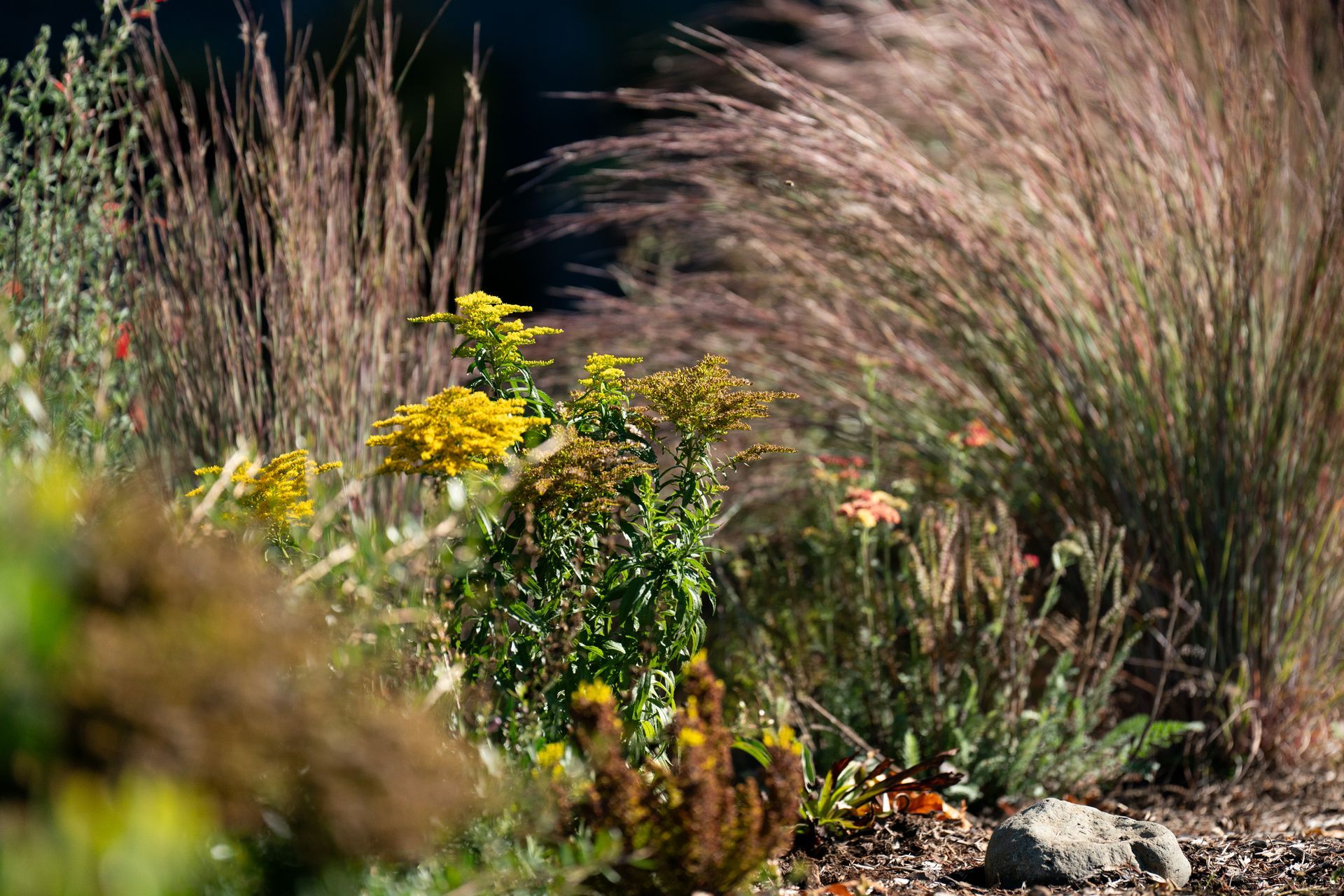
October might just be the best month of the year. Leaves turn gold and crimson, the first steady rains return to refresh thirsty plants, and the garden hums with renewed activity—birds darting through the branches and insects busy among the late blooms and fallen leaves. Soon, the season’s magic spills beyond the garden as little goblins and witches knock on our doors, candy bags in hand. For gardeners, fall is more than just a feast for the senses. Cooler days and moist soil create the perfect conditions for transplanting trees, shrubs, and perennials—plants settle in more easily now than in the heat of summer. (Unless we're talking Agaves, transplant those after the Spring rains) The softened ground also makes digging and dividing far less of a chore. Even challenging tasks like ivy removal become easier when the soil gives way beneath the roots. Autumn truly is a season of opportunity: a time to plant, to tidy (or not!), and to prepare the garden for the year ahead while savoring every bit of its fleeting beauty. The last week of October, but sometimes the first week in November, is the last time that we mow weekly. Be watching your lawn so that you can decide the best time for yourself. Occasionally, we will have a warm Winter, and a touch-up may be needed. Eco-lawns- Depending on the seed mix, you can leave these as is, allowing them to form more of a meadow look. This can help create more habitat for wildlife and insects. October is the first month when we have a higher probability of transplanting from moist, soft soil into a damp, soft new hole. All plants of course prefer to be dormant (asleep) when being transplanted. So, the coolness of October and the (hopefully) moist soil are perfect for the beginning of the transplanting and planting season. The best planting time typically extends from the rainy season until approximately the middle of March. Now is the best time to plant in Western Oregon! If you want Spring blooms, make a trip now to your local nursery and purchase Spring bulbs to plant in the ground! October/November are the traditional months for planting Spring bulbs. You can also plant fall bulbs now, such as Saffron Crocuses and Colchicums. The rain will bring out the dormant, sleepy slugs, so getting slug bait out in your beds now will hopefully thwart off a winter and spring invasion of new baby slugs! The Fall leaves will start to drop all over your yard. Remember to keep them off the lawn/grass areas and instead rake or blow them into your beds. The wet leaves will damage your lawn if left on, sometimes only in a day or two, but they can become great free compost/mulch for your planting beds. Lots of insects use this leaf litter as their habitat. This is a great way to invite more birds and wildlife into your garden as they forage through the leaves! I love watching them! This month, place mulch around potentially tender plants such as Cannas, Fuchsias, Dahlias and Calla Lilies. This will insulate them from frost or freezes. Get some bark mulch or chips and spread them 2” thick over any bare areas in your beds for the rainy season. This will prevent erosion and help choke out weed seeds from sprouting. If you are seriously into gardening, here are some more tips. Plant garlic bulbs now for harvesting next summer Pick any green tomatoes and bring them into the garage to ripen. Harvest Sunflower heads and bring them into the garage to dry. These are great for birds and human snacking. Sow native hardy annuals- you can sow these on any bare soil, or you can use gravel mulch and direct sow on that! Some great hardy annuals are California poppy (Eschscholzia californica), Red Maids (Calandrinia ciliata), Farewell-to-spring (Clarkia amoena) Gilia capitata, to name a few. Feel free to reach out to us if you have any questions about hardy annuals! A hardy annual is an annual plant you can sow in the Fall, and it will germinate, survive the Winter Months, and grow enough roots to sustain itself. Most of our natives will not require additional water the following year, and if they are happy, they will seed around and come up where they are thriving.
